
Blenders
Blowtorches
Breadmakers
Coffee Grinders
Coffee Makers
Deep fryers & Airfryers
Food Cookers
Food Dehydrators
Food Mixers & Food Processors
Hand Blenders
Hand Mixers
Ice Cream Makers
Ice Makers
Juicers
Kettles
Kitchen Scales
Meat Slicers
Mincers
Mini Choppers & Spiralisers
Other Kitchen Appliances
Pasta Makers
Popcorn Makers
Sandwich Toasters
Soft Drink Makers
Toasters
Vacuum Sealers
Waffle Makers

USB-C Sound Cards
Try flexible payments withLearn how

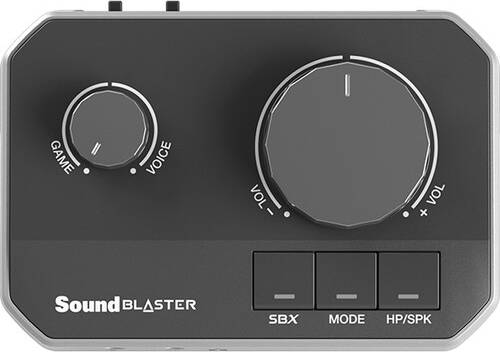


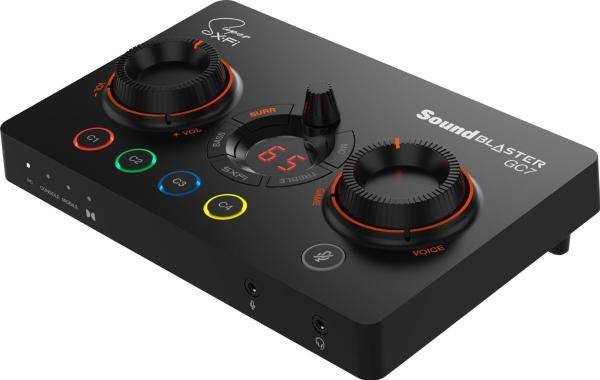
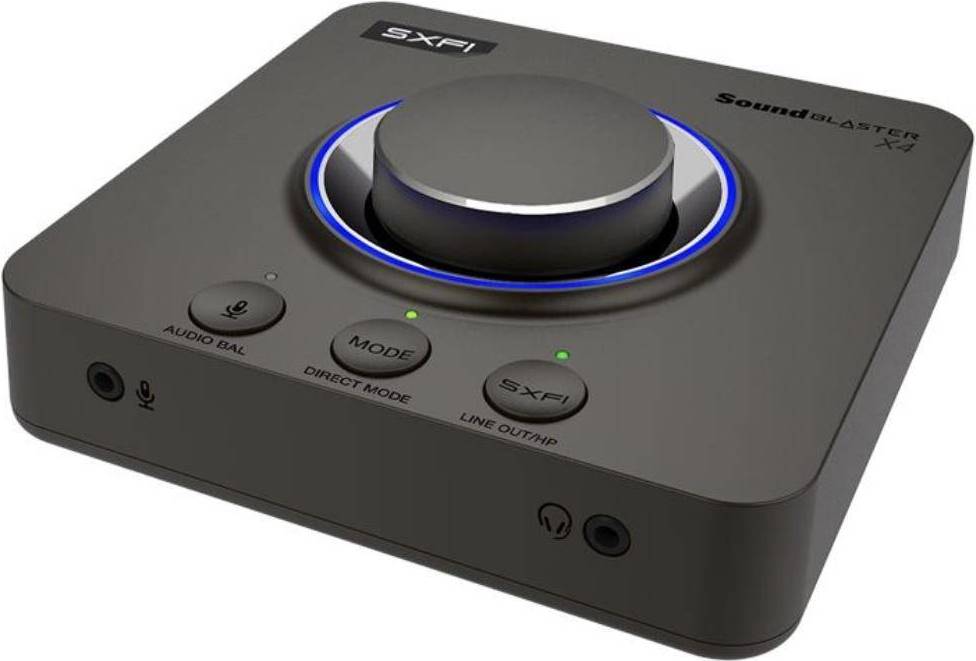

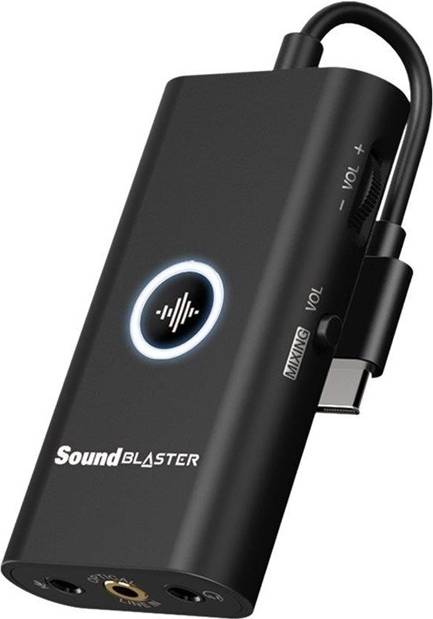


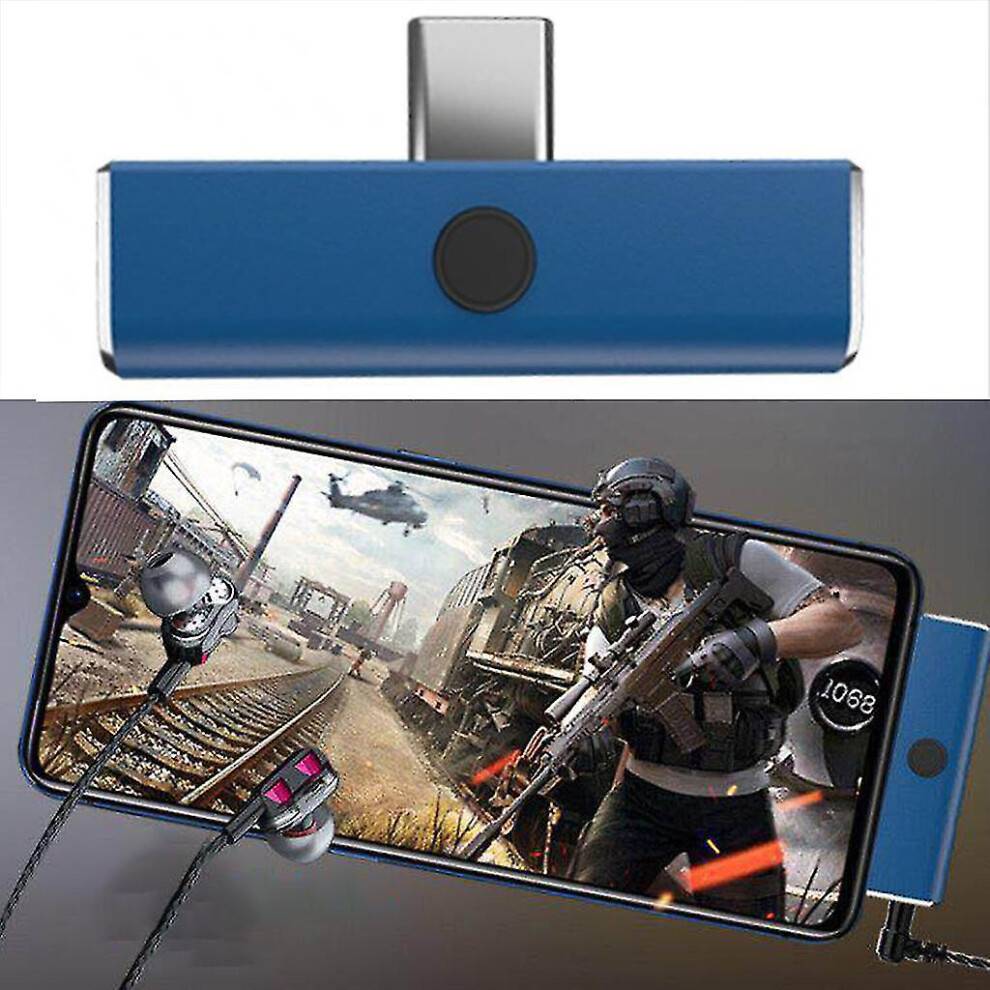

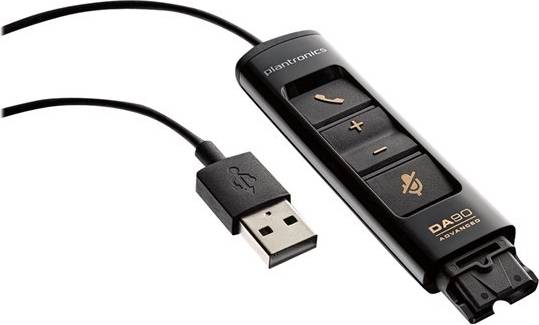


Sound Cards: 3 things to consider before buying
Before purchasing a sound card, think about how you plan to use it. Are you a gamer looking for immersive audio experiences, or maybe a music producer needing high-fidelity sound? Gamers might benefit from sound cards with features like surround sound and low-latency processing, while audiophiles should look for options that support high-resolution audio formats. Understanding your specific needs will help narrow down your choices and ensure you select a sound card that enhances your computing experience.
It's essential to ensure that the sound card you're considering is compatible with your current system. Check the interface type, such as PCIe or USB, to make sure it matches your computer's available slots or ports. Also, verify the operating system compatibility; some sound cards may have limited support for certain versions of Windows, macOS, or Linux. Ensuring compatibility will save you time and hassle during installation.
Audio quality can vary significantly between different sound cards. Look for specifications like signal-to-noise ratio (SNR) and bit depth—higher values generally indicate better audio performance. Additionally, consider features such as built-in amplifiers for headphones or support for 7.1 surround sound if these are important for your use case. By focusing on audio quality and relevant features, you can enhance your listening experience whether you're gaming, watching movies, or producing music.
FAQ
Sound cards are components in a computer that manage audio input and output. They enhance audio quality and allow you to connect speakers, microphones, and other audio devices. If you enjoy gaming or music production, a high-quality sound card can significantly improve your experience with clearer sound and better performance.
Sound cards are selected based on your specific requirements such as gaming, music production, or general use. Consider factors like audio quality, connectivity options, compatibility with your computer, and budget. Look for features like surround sound support if you're into immersive experiences.
Sound cards can be either external or internal, each with its advantages. External sound cards are portable and easy to install via USB, ideal for laptops. Internal sound cards offer better performance due to direct connection to the motherboard but require installation inside the PC case.
Sound cards are not always necessary if your motherboard provides satisfactory audio quality. However, if you seek enhanced sound clarity or advanced features like 7.1 surround sound, investing in a dedicated sound card can make a significant difference.
Sound cards can enhance gaming experiences by providing clearer audio cues and immersive soundscapes. They reduce CPU load by handling audio processing separately, which might slightly improve overall system performance during resource-intensive games.
Sound cards often include various connectivity options such as headphone jacks, microphone inputs, optical outputs, and USB ports. Ensure compatibility with your existing devices and consider future needs for flexibility in connecting different audio equipment.
Borrowing more than you can afford or paying late may negatively impact your financial status and ability to obtain credit. Credit subject to status. Ts&Cs and late fees apply.
Advertisement
Popular searches in Sound Cards
- Sound blaster creative
- Audio adapter
- Usb audio interface
- 3.5 mm Jack Sound Cards
- XLR Sound Cards
- MIDI Sound Cards
- 32 bit Sound Cards
- USB-A Sound Cards
- Optical S/PDIF Sound Cards
- Focusrite Sound Cards
- Creative Sound Cards
- ASUS Sound Cards
- PCIe x1 Sound Cards
- RCA (Line) Sound Cards
- 6.3 mm Jack Sound Cards
- Coaxial S/PDIF Sound Cards
- External - USB-A Sound Cards
- PCI Sound Cards
- PCIe Sound Cards
- External Sound Cards
- Internal Sound Cards
- RCA (Line) Sound Cards
- XLR Sound Cards
- MIDI Sound Cards
- 3.5 mm Jack Sound Cards
- Coaxial S/PDIF Sound Cards
- 7.1 Sound Cards
- 16 bit Sound Cards
- 24 bit Sound Cards
- 48 kHz Sound Cards
- 96 kHz Sound Cards
- Highest rated Sound Cards
- Cheap Sound Cards
- Sound Cards on sale
Borrowing more than you can afford or paying late may negatively impact your financial status and ability to obtain credit. Credit subject to status. Ts&Cs and late fees apply.