Blenders
Blowtorches
Breadmakers
Coffee Grinders
Coffee Makers
Deep fryers & Airfryers
Food Cookers
Food Dehydrators
Food Mixers & Food Processors
Hand Blenders
Hand Mixers
Ice Cream Makers
Ice Makers
Juicers
Kettles
Kitchen Scales
Meat Slicers
Mincers
Mini Choppers & Spiralisers
Other Kitchen Appliances
Pasta Makers
Popcorn Makers
Sandwich Toasters
Soft Drink Makers
Toasters
Vacuum Sealers
Waffle Makers

3D Printing
Explore the fascinating world of 3D printing with PriceRunner. Whether you're a hobbyist or a professional, we help you find the right 3D printer for your needs. Our extensive selection includes models from popular brands and retailers. Use our handy category filters to narrow down your options by features like print size, material compatibility, and price range. Compare prices on millions of products to ensure you get the best deal. With user reviews, you can see how others rate different models, helping you make the right choice. We guide you through the vast array of 3D printing options available, making it easy to find what fits your requirements and budget. Ready to start your 3D printing journey? Begin here and discover the printer that matches your creative vision!
Try flexible payments withLearn how


1000+ products













3D Printing: 3 things to consider before buying
Before diving into the world of 3D printing, it's crucial to understand what you want to achieve. Are you looking to print small prototypes, intricate models, or larger functional parts? Understanding your specific needs will help you choose between different types of 3D printers like FDM (Fused Deposition Modeling) for larger, less detailed prints or SLA (Stereolithography) for high-detail and smooth finishes. Consider the materials you'll use; common ones include PLA for ease of use and ABS for strength. By identifying your goals and material preferences, you'll be better equipped to find a printer that suits your projects.
The build volume of a 3D printer determines the maximum size of an object you can print. If you're planning to create large models or multiple smaller items simultaneously, you'll need a printer with a larger build volume. Check the dimensions, often listed in width × depth × height (e.g., 220mm × 220mm × 250mm), to ensure it meets your requirements. Remember that a bigger build volume may require more space in your workspace and could increase the overall cost of the printer.
Your interaction with a 3D printer heavily relies on its software. Look for printers with user-friendly software that is compatible with your computer's operating system. Ease of use is essential, especially if you're new to 3D printing. Many printers come with proprietary software designed to simplify the process from model slicing to print management. Additionally, check if the software supports file formats like STL or OBJ, which are standard in 3D modeling. A good software experience can significantly enhance your printing journey by minimizing frustration and maximizing creativity.
FAQ
3D Printing is a process of creating three-dimensional objects from a digital file. It involves layering materials to form the desired shape. Consider your needs: choose between FDM for budget-friendly options or SLA for high precision.
3D Printing works by adding material layer by layer to build an object. A printer reads a digital model and deposits material accordingly. Think about material compatibility: PLA and ABS are common choices, each with unique properties.
3D Printing offers customization, rapid prototyping, and reduced waste. It's ideal for creating complex designs quickly. Evaluate your priorities: speed, detail, and cost can vary depending on the printer type.
Choosing a 3D Printer depends on your requirements, like size, budget, and purpose. Research key features: print quality, build volume, and ease of use to find the best fit for you.
Materials used in 3D Printing include plastics like PLA and ABS, metals, and resins. Each has distinct properties suitable for different applications. Assess your project needs: durability, flexibility, and finish quality will guide your choice.
Borrowing more than you can afford or paying late may negatively impact your financial status and ability to obtain credit. Credit subject to status. Ts&Cs and late fees apply.
Advertisement
Transform your creativity: 3D printing essentials
3D printing has revolutionised how we create and innovate. Whether you're a hobbyist or a professional, this technology opens up endless possibilities. From crafting intricate models to producing functional parts, the right tools can make all the difference.
Essential tools for 3D printing
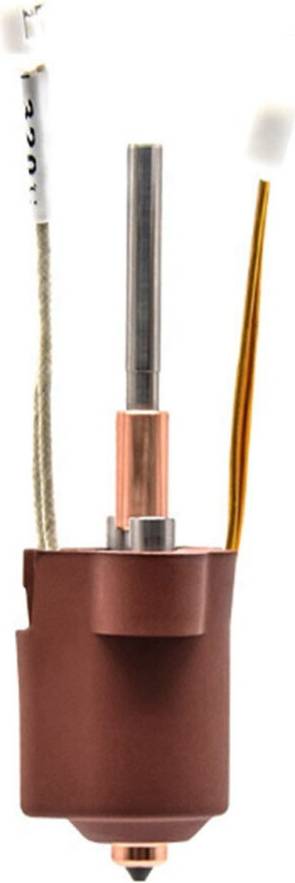
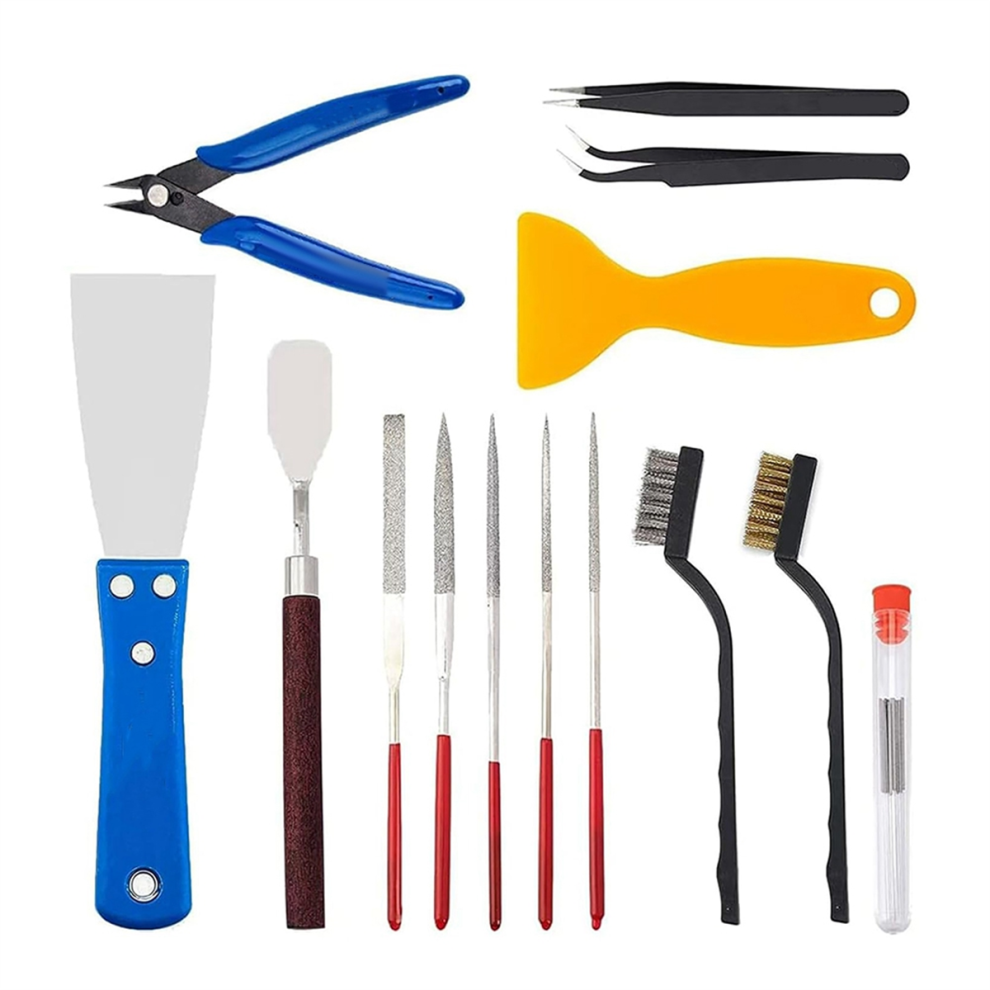
When starting with 3D printing, choosing the right tools is crucial. Let's explore some key components that can enhance your 3D printing experience.
3D-printers for every need
3D-printers come in various types and sizes, catering to different needs and budgets. Whether you're looking for a desktop model for personal projects or a larger machine for professional use, there's a wide range of options. Consider factors like build volume, print speed, and resolution when selecting a printer. Popular brands offer reliable machines with user-friendly interfaces.
Choosing the right filament
Filaments are the materials used in 3D printing. They come in different types, each with unique properties. Filaments like PLA and ABS are common choices. PLA is biodegradable and easy to use, making it ideal for beginners. ABS is more durable and heat-resistant, suitable for functional parts. Explore other options like PETG for a balance of strength and flexibility.
Scanning for precision
A 3D-scanner captures the shape and dimensions of an object, creating a digital model. This is useful for replicating existing items or creating custom designs. Scanners vary in accuracy and price, so consider your needs when choosing one.
Brands to know
Several brands stand out in the 3D printing world. Polymaker and Formfutura are known for their high-quality filaments. Polymaker offers a range of materials with different properties, perfect for various applications. Formfutura provides innovative options, including eco-friendly and specialty filaments. These brands are a good choice for both beginners and professionals.
Tips for successful 3D printing
To achieve the best results, keep these tips in mind:
- Level your print bed: Ensures even layers and reduces print failures.
- Calibrate your printer: Regular calibration maintains accuracy and quality.
- Choose the right settings: Adjust temperature, speed, and layer height for optimal prints.
- Maintain your equipment: Regular cleaning and maintenance extend the life of your printer.
Explore the potential of 3D printing
3D printing is more than just a hobby—it's a gateway to innovation. With the right tools and materials, you can bring your ideas to life. PriceRunner helps you compare prices and find the best deals on 3D printing essentials. Start your creative journey today!
Shop smarter with PriceRunner
Find the best option with the help of our handy tools. Compare prices, apply smart filters, read user reviews, and explore price history—all in one place.
Filter and sort
Searching for something particular? Filter by everything from price and brand to material or colour to see only the products relevant to you. Since delivery options and shipping costs can vary between shops, you can easily find your perfect match by filtering based on these criteria as well.
Reviews: See what other users think
Reviews from other users can provide valuable insights into the product's features and durability. Product ratings help you quickly assess popularity and customer satisfaction.
Price history: Find real deals
To ensure that you've found a good deal, you can view the product's price history. Select a time period and whether you wish to include international prices. Price history for the past three months is shown by default, but you can also look into a longer time period. If you want to determine if a deal from a specific shop is as good as it seems you can click on "Choose store" above the price graph to show an individual shop's pricing history.
Popular searches in 3D Printing
- Bambu lab a1
- Bambu lab a1 mini 3d printer
- Bambu lab 3d printer
- Bambu a1
- Bambu lab
- Bambu lab a1 mini
- Bambu lab p1s 3d printer
- Bambu lab – p1s
- Impresora
- Bambu p1s
- Ams lite
- 3d printer combo
- Bambu lab printer
- 3d printer
- Bambu lab a1 3d
- Flashforge adventurer 5m pro
- Ender 3 v3 se
- Bambu lab ams
- Bambu lab x1 carbon
- 3d pla filament
- 3D-Printers
- Bambu lab 3D-Printers
- Filaments
- Bambu lab 3D Printing
- 3D-Scanners
- Elegoo 3D Printing
- Anycubic 3D Printing
- Anycubic 3D-Printers
- Flashforge 3D Printing
- ESUN 3D Printing
- Elegoo 3D-Printers
- Filaments
- Flashforge 3D-Printers
- Filaments
- Creality 3D Printing
- 3D-Printers on sale
- Prusa 3D-Printers
- Sunlu Filaments
- Prusa 3D Printing
- Creality 3D-Printers
Borrowing more than you can afford or paying late may negatively impact your financial status and ability to obtain credit. Credit subject to status. Ts&Cs and late fees apply.