Blenders
Blowtorches
Breadmakers
Coffee Grinders
Coffee Makers
Deep fryers & Airfryers
Food Cookers
Food Dehydrators
Food Mixers & Food Processors
Hand Blenders
Hand Mixers
Ice Cream Makers
Ice Makers
Juicers
Kettles
Kitchen Scales
Meat Slicers
Mincers
Mini Choppers & Spiralisers
Other Kitchen Appliances
Pasta Makers
Popcorn Makers
Sandwich Toasters
Soft Drink Makers
Toasters
Vacuum Sealers
Waffle Makers


Firewalls
Looking to secure your network? PriceRunner guides you to the right firewall for your needs. With a wide range of options, we list products from top brands and retailers. Use our category filters to refine your search—whether you need specific features, price ranges, or brand preferences. Compare different firewalls side-by-side to see which one suits your setup best. Our listings ensure you find the best deals and make the right choice without any hassle. Trust our expertise to help you protect your data and maintain privacy. With up-to-date information and transparent comparisons, you're in good hands. Ready to enhance your network security? Begin here to find the firewall that matches your needs and budget.
Try flexible payments withLearn how



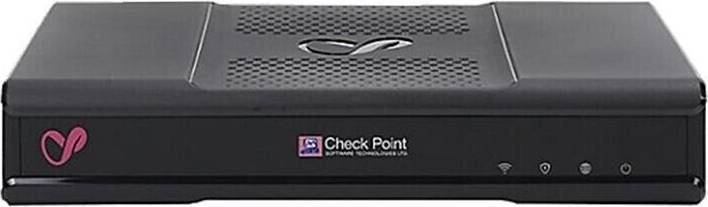





Firewalls: 3 things to consider before buying
When selecting firewalls, it's crucial to focus on security features that align with your needs. Look for advanced threat protection, intrusion prevention systems (IPS), and VPN support. These features ensure robust defence against cyber threats. For instance, a firewall with IPS can detect and block potential intrusions, safeguarding your network from unauthorised access. Consider your specific security requirements and choose firewalls that offer comprehensive protection.
Firewalls should not only meet your current demands but also accommodate future growth. Evaluate the scalability of firewalls by checking their ability to handle increased traffic without compromising performance. Opt for models that support high throughput and low latency to maintain efficient network operations as your business expands. Investing in scalable firewalls ensures long-term value and adaptability to changing needs.
Managing firewalls efficiently is essential for maintaining network security without unnecessary complexity. Look for user-friendly interfaces that simplify configuration and monitoring tasks. Firewalls with centralised management systems allow you to control multiple devices from a single dashboard, streamlining operations. Additionally, consider the availability of support resources such as documentation and customer service to assist with any issues that may arise. Choosing manageable firewalls reduces administrative burdens and enhances overall security posture.
FAQ
Firewalls are security systems that monitor and control incoming and outgoing network traffic based on predetermined security rules. They act as a barrier between your internal network and external sources, protecting against unauthorized access. When choosing a firewall, consider your network size, security needs, and budget.
Firewalls are essential for filtering traffic to block harmful data from entering your network. They inspect packets of data and allow or deny them based on security rules. For effective protection, select firewalls that offer features like intrusion detection and prevention systems (IDPS) and regular updates.
Firewalls are available in several types, including hardware-based, software-based, and cloud-based solutions. Hardware firewalls provide robust protection for larger networks, while software firewalls suit individual users or small businesses. Cloud-based firewalls offer flexibility and scalability for growing organizations.
Firewalls are crucial for home networks to safeguard personal information from cyber threats. Even basic routers have built-in firewalls that provide initial protection. For enhanced security, consider adding software firewalls to individual devices or upgrading to more advanced hardware solutions.
Firewalls are effective at blocking many types of attacks but cannot stop all cyber threats alone. They are part of a comprehensive security strategy that includes antivirus software, regular updates, and safe browsing practices. Evaluate the level of protection you need based on your online activities.
Borrowing more than you can afford or paying late may negatively impact your financial status and ability to obtain credit. Credit subject to status. Ts&Cs and late fees apply.
Advertisement
Protect your network: Understanding firewalls
In today's digital age, safeguarding your network is crucial. Firewalls act as a barrier between your network and potential threats, ensuring data security. They come in various types, each offering unique features to meet specific needs.
Types of firewalls
When choosing a firewall, it's essential to understand the different types available. Each type has its strengths and is suitable for various applications.
PPTP firewalls
PPTP firewalls are known for their simplicity and ease of use. They provide basic security and are suitable for personal use or small businesses. With a speed range of around 900 Mbps, they offer adequate performance for everyday tasks.
IPSec firewalls
For those seeking enhanced security, IPSec firewalls are a good choice. They encrypt data at the network level, providing robust protection. Ideal for businesses, they support higher speeds, such as 1800 Mbps, ensuring smooth operations.
L2TP firewalls
L2TP firewalls combine the features of PPTP and IPSec, offering a balance between security and performance. They are perfect for medium-sized businesses, with speeds reaching up to 2000 Mbps. This ensures efficient data transfer without compromising security.
SSL firewalls
SSL firewalls use Secure Socket Layer protocols to protect data. They are widely used for web applications, providing a secure connection between users and servers. With speeds of up to 5200 Mbps, they are suitable for large enterprises requiring high-speed data processing.
Key specifications to consider
When selecting a firewall, consider these essential specifications to ensure it meets your needs.
Speed and performance
The speed of a firewall is crucial for maintaining network efficiency. Speeds like 350 Mbps might suit smaller setups, while larger networks benefit from speeds of 2000 Mbps or more. Ensure your chosen firewall can handle your data load.
Security features
Look for firewalls with advanced security features, such as intrusion detection and prevention systems. These features help identify and block potential threats before they can harm your network.
User-friendly interface
A user-friendly interface makes managing and configuring your firewall easier. Look for models that offer intuitive dashboards and clear instructions for setup and maintenance.
Typical user needs
Different users have varying requirements. Here's what to consider based on your specific needs.
Home users
Home users typically need basic protection against common threats. A PPTP firewall with speeds around 900 Mbps is often sufficient. It's easy to set up and provides adequate security for personal use.
Small businesses
Small businesses require more robust protection. An IPSec firewall offers enhanced security features and higher speeds, making it suitable for handling business data and communications.
Large enterprises
For large enterprises, SSL firewalls are the best option. They provide comprehensive security and high-speed performance, ensuring smooth operations and data protection.
Make the right choice
Choosing the right firewall involves balancing security, performance, and ease of use. Whether you're a home user or managing a large enterprise, understanding your needs is key to making the right decision. Use PriceRunner to compare options and find the best firewall for your network security needs.
Shop smarter with PriceRunner
Find the best option with the help of our handy tools. Compare prices, apply smart filters, read user reviews, and explore price history—all in one place.
Filter and sort
Searching for something particular? Filter by everything from price and brand to material or colour to see only the products relevant to you. Since delivery options and shipping costs can vary between shops, you can easily find your perfect match by filtering based on these criteria as well.
Reviews: See what other users think
Reviews from other users can provide valuable insights into the product's features and durability. Product ratings help you quickly assess popularity and customer satisfaction.
Price history: Find real deals
To ensure that you've found a good deal, you can view the product's price history. Select a time period and whether you wish to include international prices. Price history for the past three months is shown by default, but you can also look into a longer time period. If you want to determine if a deal from a specific shop is as good as it seems you can click on "Choose store" above the price graph to show an individual shop's pricing history.
Popular searches in Firewalls
- Tz570
- Fsecure total
- Cisco Firewalls
- Red Firewalls
- Black Firewalls
- Bitdefender Firewalls
- Fortinet Firewalls
- VPN Firewalls
- Kaspersky Firewalls
- Built-In Router Firewalls
- IPSec Firewalls
- L2TP Firewalls
- L2TPv3 Firewalls
- PPTP Firewalls
- IKEv2 Firewalls
- SSL Firewalls
- SHA-1 Firewalls
- 3DES Firewalls
- AES Firewalls
- MD5 Firewalls
- DES Firewalls
- White Firewalls
- Grey Firewalls
- Gold Firewalls
- Silver Firewalls
- Multicoloured Firewalls
- Ethernet Firewalls
- Fast Ethernet Firewalls
- Gigabit Ethernet Firewalls
- Wi-Fi 5 Firewalls
- Wi-Fi 4 Firewalls
- Cisco Meraki Firewalls
- WatchGuard Firewalls
- Highest rated Firewalls
- Cheap Firewalls
- Firewalls on sale
Borrowing more than you can afford or paying late may negatively impact your financial status and ability to obtain credit. Credit subject to status. Ts&Cs and late fees apply.