
Blenders
Blowtorches
Breadmakers
Coffee Grinders
Coffee Makers
Deep fryers & Airfryers
Food Cookers
Food Dehydrators
Food Mixers & Food Processors
Hand Blenders
Hand Mixers
Ice Cream Makers
Ice Makers
Juicers
Kettles
Kitchen Scales
Meat Slicers
Mincers
Mini Choppers & Spiralisers
Other Kitchen Appliances
Pasta Makers
Popcorn Makers
Sandwich Toasters
Soft Drink Makers
Toasters
Vacuum Sealers
Waffle Makers


100+ products


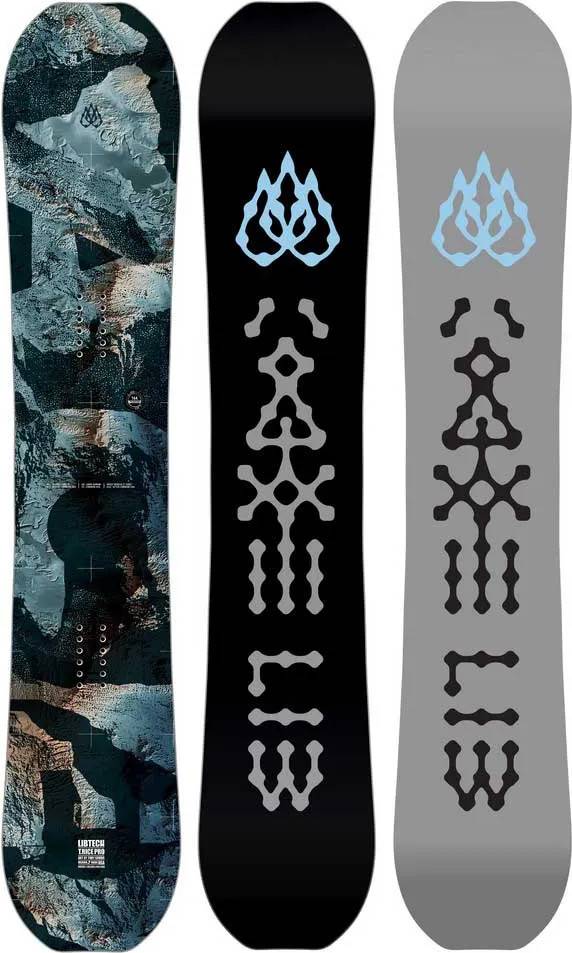


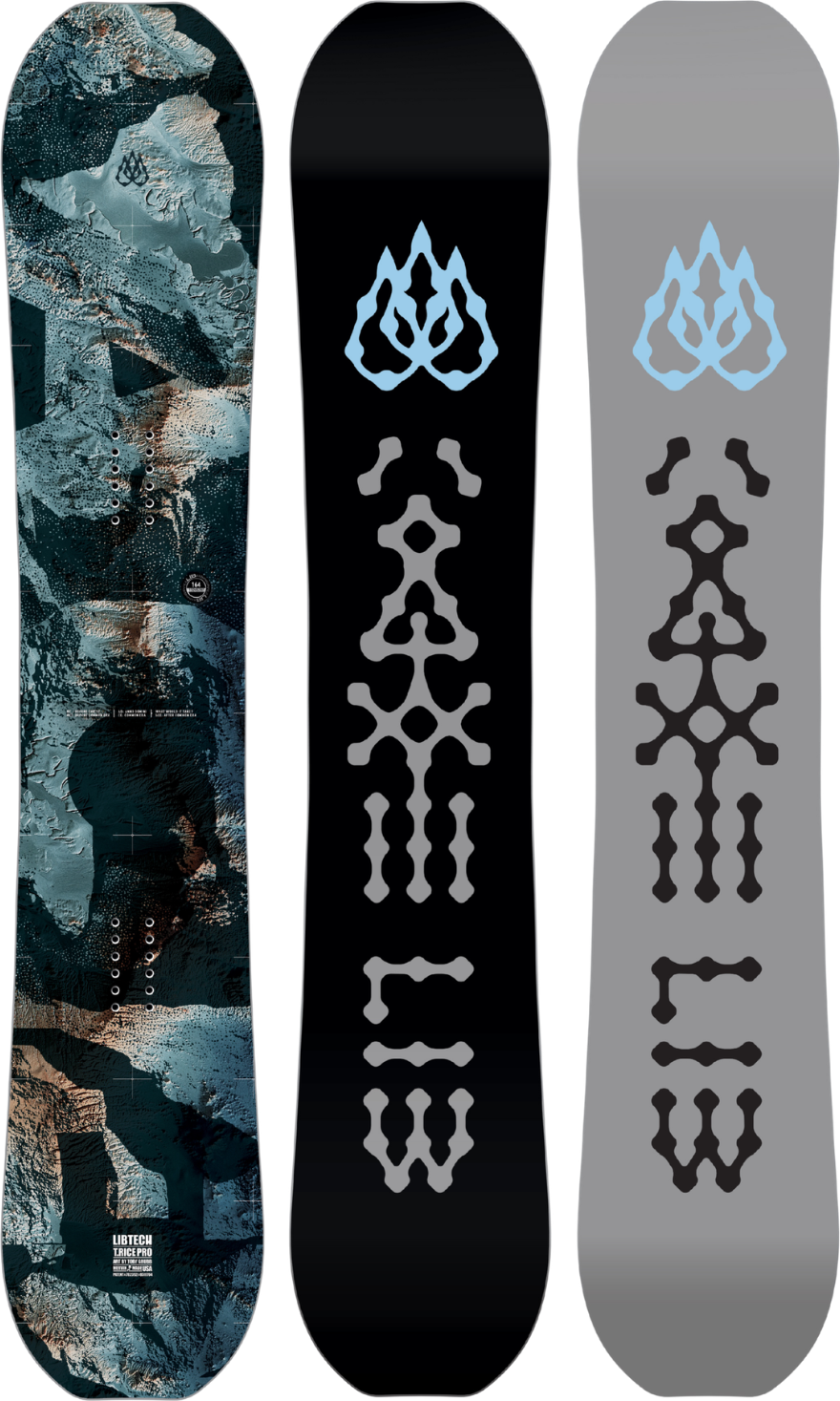





Snowboard: 3 things to consider before buying
Finding the correct size for your snowboard is essential for a comfortable and enjoyable ride. Consider your height and weight as primary factors when selecting a snowboard. Generally, the board should reach somewhere between your chin and nose when stood upright. Heavier riders might need a longer board for stability, while lighter individuals could benefit from a shorter one for better control. Remember, your riding style also plays a role—freestyle riders often prefer shorter boards for agility, whereas freeriders might opt for longer boards to handle speed and varied terrain.
Your choice of snowboard type should align with your preferred riding style and terrain. Different snowboards are designed to excel in specific conditions. For instance, all-mountain snowboards are versatile and suitable for various terrains, making them ideal for beginners or those who enjoy diverse runs. Freestyle boards are perfect for park enthusiasts who love tricks and jumps due to their lightweight and flexible design. If you’re into powdery slopes or off-piste adventures, consider a powder snowboard with a wider nose and tapered tail for enhanced floatation.
When purchasing a snowboard, it’s crucial to choose one that matches your skill level to ensure safety and enjoyment on the slopes. Beginners should look for boards that offer stability and ease of control, such as soft-flex snowboards that are forgiving on turns. Intermediate riders can explore medium-flex boards that provide more responsiveness without being overly challenging. Advanced snowboarders might prefer stiffer boards that offer precision and speed control necessary for tackling more complex terrains or high-speed descents.
FAQ
Snowboard size is determined by your weight, height, and riding style. Generally, a snowboard should reach somewhere between your chin and nose when stood on end. For precise sizing, consider your weight and the type of snowboarding you plan to do, such as freestyle or all-mountain.
A snowboard for beginners is typically softer and more flexible. This makes it easier to control and more forgiving if you make mistakes. Look for snowboards labeled as 'beginner-friendly' or 'all-mountain', which are versatile and suitable for learning.
Snowboard types include all-mountain, freestyle, freeride, and powder. Each type is designed for specific terrains or styles. All-mountain snowboards are versatile; freestyle ones are good for tricks; freeride suits off-piste; and powder boards excel in deep snow.
Snowboard camber refers to its profile when laid flat. Camber boards have an arch underfoot providing stability at speed. Rocker boards have a reverse shape with uplifted tips, offering easier turns and better float in powder.
Snowboard maintenance involves regular waxing and edge sharpening. Waxing keeps the base smooth for optimal glide, while sharpening edges ensures better grip on icy surfaces. Additionally, check for any damage after each use to prolong the board's life.
Borrowing more than you can afford or paying late may negatively impact your financial status and ability to obtain credit. Credit subject to status. Ts&Cs and late fees apply.
Advertisement
Popular searches in Snowboard
- Snowboard 156
- Snowboardstøvler
- Vans mujer
- K2 standard snowboard
- Snowboards boots
- Burton step on
- Crab grab
- Supermatic
- Snowboard boots
- Bataleon goliath
- Snowboard Boots
- Snowboards
- Vans Snowboard Boots
- Snowboard Bindings
- Burton Snowboard Boots
- Burton Snowboards
- Men Snowboard Boots
- K2 Snowboard Boots
- Grey Snowboard Boots
- Salomon Snowboard
- Burton Snowboard Bindings
- Burton Snowboard
- Brown Snowboard Boots
- White Snowboards
- Snowboard Bindings on sale
- K2 Snowboard
- Men Snowboards
- White Snowboard Bindings
- Snowboard Boots on sale
- Snowboards
- 156 cm Snowboards
- 162 cm (W) Snowboards
- Women Snowboard Bindings
- Arbor Snowboard
- Snowboards
- Snowboard Boots
- Children Snowboards
- Unisex Snowboards
- Snowboard Boots
- Junior Snowboards
Borrowing more than you can afford or paying late may negatively impact your financial status and ability to obtain credit. Credit subject to status. Ts&Cs and late fees apply.