

Blenders
Blowtorches
Breadmakers
Coffee Grinders
Coffee Makers
Deep fryers & Airfryers
Food Cookers
Food Dehydrators
Food Mixers & Food Processors
Hand Blenders
Hand Mixers
Ice Cream Makers
Ice Makers
Juicers
Kettles
Kitchen Scales
Meat Slicers
Mincers
Mini Choppers & Spiralisers
Other Kitchen Appliances
Pasta Makers
Popcorn Makers
Sandwich Toasters
Soft Drink Makers
Toasters
Vacuum Sealers
Waffle Makers

Crowbars
Try flexible payments withLearn how
300+ products




Crowbars: 3 things to consider before buying
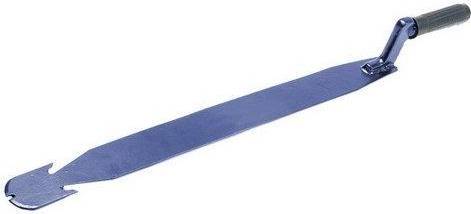
When choosing crowbars, it's important to know the different types available. Flat bars are great for prying and lifting, while gooseneck crowbars offer more leverage for heavy-duty tasks. If you need something versatile, consider a wrecking bar, which combines features of both. By understanding these types, you can select one that best suits your project needs.
Crowbars are typically made from materials like steel or titanium. Steel crowbars are durable and affordable, making them a popular choice for general use. However, if you're looking for something lighter yet strong, titanium crowbars might be worth considering despite their higher price tag. Always check the build quality; a well-constructed crowbar will last longer and perform better under stress.
The length and weight of crowbars significantly impact their usability. Longer crowbars provide more leverage, making them ideal for heavy-duty jobs but might be cumbersome in tight spaces. Shorter ones are easier to handle but may require more effort for tough tasks. Consider what you'll be using the crowbar for to find the right balance between length and weight to ensure comfort and efficiency during use.
FAQ
Crowbars are versatile hand tools used for prying, lifting, and demolition tasks. They help remove nails, open crates, and break apart objects. When choosing a crowbar, consider the task's size and material to ensure you select the right strength and length for effective use.
Choosing the right crowbar depends on your specific needs. Consider the length, weight, and material. Longer crowbars provide more leverage, while shorter ones offer better control. Steel crowbars are durable, while titanium options are lighter but more expensive.
Crowbars are typically made from steel or titanium. Steel is strong and affordable, ideal for heavy-duty tasks. Titanium is lighter and resistant to corrosion but comes at a higher price. Choose based on your budget and how often you'll use it.
Yes, there are different types of crowbars including wrecking bars, pry bars, and gooseneck bars. Each type varies in shape and purpose; for example, gooseneck bars have a curved end for better leverage in tight spaces.
Yes, you can use a crowbar to remove nails. The flat end or claw is designed to grip nails securely. Ensure you apply steady pressure to avoid bending or breaking the nail during removal.
Crowbars may damage delicate materials due to their strength and design. For such tasks, consider using a softer tool like a plastic pry bar that reduces the risk of scratching or breaking fragile items.
Borrowing more than you can afford or paying late may negatively impact your financial status and ability to obtain credit. Credit subject to status. Ts&Cs and late fees apply.
Advertisement
Popular searches in Crowbars
- Bahco spanner set
- Stabila spirit level set
- Staple gun for upholstery
- Swiss army knife
- Wera tool check plus
- Torque wrench digital
- Wera joker
- Wera socket set
- Stanley fatmax 8m
- Dewalt socket set
- Halfords advanced tool
- Knipex pliers wrench
- Cordless ratchet
- Ox pro spirit level
- Wera kraftform
- Flipper zero
- 1200mm level
- Stanley knife blades
- Wera joker 6004
- Wera kraftform kompakt
Borrowing more than you can afford or paying late may negatively impact your financial status and ability to obtain credit. Credit subject to status. Ts&Cs and late fees apply.