Blenders
Blowtorches
Breadmakers
Coffee Grinders
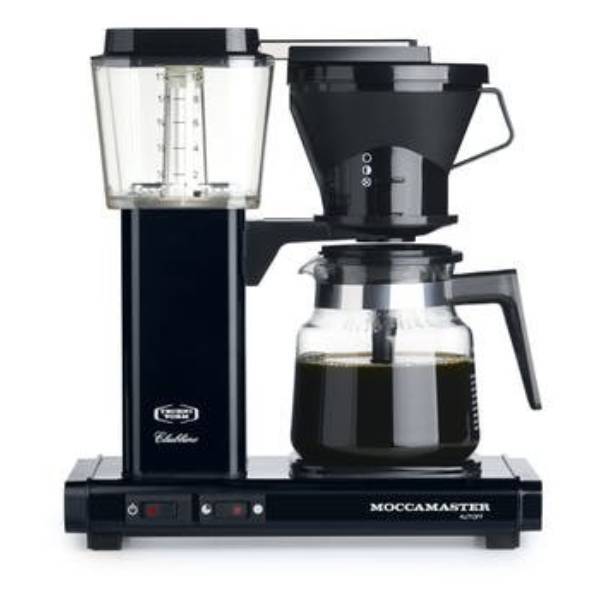
Coffee Makers
Deep fryers & Airfryers
Food Cookers
Food Dehydrators
Food Mixers & Food Processors
Hand Blenders
Hand Mixers
Ice Cream Makers
Ice Makers
Juicers
Kettles
Kitchen Scales
Meat Slicers
Mincers
Mini Choppers & Spiralisers
Other Kitchen Appliances
Pasta Makers
Popcorn Makers
Sandwich Toasters
Soft Drink Makers
Toasters
Vacuum Sealers
Waffle Makers



SanDisk Hard Drives
Try flexible payments withLearn how
100+ products


SanDisk Extreme Portable External SSD 1 TB
SSD


FAQ
Hard Drives are devices used to store and retrieve digital data. They are essential for saving your files, applications, and operating system. When choosing a hard drive, consider storage capacity, speed, and type (HDD or SSD) to ensure it meets your needs.
Hard Drives are traditional storage devices with spinning disks, while SSDs use flash memory for faster performance. SSDs offer quicker data access and durability but are usually more expensive than Hard Drives. Consider your budget and speed requirements when choosing between them.
The size of Hard Drive you need depends on your storage requirements. A 500GB Hard Drive might suffice for basic use, while 1TB or more is better for storing large files like videos. Assess how much data you plan to store before deciding.
External Hard Drives are portable storage solutions that connect via USB or other interfaces. Choose an external Hard Drive if you need mobility or extra storage without internal upgrades.
Hard Drives' performance is influenced by speed (RPM), cache size, and interface type (e.g., SATA). Higher RPMs offer faster data access, while a larger cache improves data handling efficiency. Evaluate these features to ensure optimal performance for your tasks.
Hard Drives typically last between 3 to 5 years with regular use. However, lifespan can vary based on usage patterns and environmental factors. Regular backups and monitoring health can help prolong their life and protect your data.
Hard Drives: 3 things to consider before buying
When choosing a hard drive, it's crucial to assess your storage requirements. Are you looking for a drive to store large media files, or do you need something for simple document backups? Hard drives come in various capacities, typically ranging from 500GB to several terabytes. If you're handling high-resolution videos or extensive software applications, opt for a larger capacity to avoid running out of space. For everyday tasks and smaller files, a modest-sized hard drive might suffice.
The speed of a hard drive significantly impacts your computing experience. Hard drives generally come in two types: HDDs (Hard Disk Drives) and SSDs (Solid State Drives). HDDs offer more storage at a lower cost but are slower due to their mechanical parts. SSDs, on the other hand, provide faster data access speeds and quicker boot times because they have no moving parts. If performance is key—such as for gaming or professional video editing—consider investing in an SSD.
Before purchasing a hard drive, ensure it is compatible with your existing system. Check the connection interface; most modern drives use USB 3.0 or USB-C ports for external drives, while internal drives often utilize SATA connections. It's also wise to verify the physical size of the hard drive if it's meant to fit inside a laptop or desktop computer. Common sizes include 2.5″ for laptops and 3.5″ for desktops. Ensuring compatibility will save you from potential installation headaches.
You’ve viewed 48 out of 171 products
Advertisement
Popular searches in Hard Drives
- Nvme 2tb
- Ps5 ssd
- 1tb ssd 2.5 sata
- 2tb external hard drive
- 1tb external hard drive
- 4tb external hard drive
- 8tb hdd
- Ps5 ssd 2tb
- 12tb hard drive
- 1tb external ssd
- 16tb hard drive
- Expansion card for xbox series
- 4tb ssd drive
- Samsung ssd t9
- Sandisk extreme portable ssd 1tb
- 1tb ssd m.2 nvme pcie 3.0
- Ps5 ssd heatsink
- Ssd 4tb m.2
- Ssd 1tb m.2 2280
- M 2 nvme ssd 4tb
- SSD Hard Drives
- External - SSD Hard Drives
- PCIe Gen3 x4 NVMe Hard Drives
- Hard Drives on sale
- HDD Hard Drives
- M.2 - SSD Hard Drives
- Internal - SSD Hard Drives
- External Hard Drives
- Seagate External Hard Drives
- USB 3.2 Gen 2x2 Hard Drives
- Seagate Hard Drives
- HDD - Internal Hard Drives
- Western Digital HDD - Internal Hard Drives
- External - HDD Hard Drives
- PCIe Gen3 x4 NVMe - SSD Hard Drives
- Western Digital Hard Drives
- Internal - M.2 - SSD Hard Drives
- Samsung Hard Drives
- Samsung External - SSD Hard Drives
- Toshiba Hard Drives