Blenders
Blowtorches
Breadmakers
Coffee Grinders
Coffee Makers
Deep fryers & Airfryers
Food Cookers
Food Dehydrators
Food Mixers & Food Processors
Hand Blenders
Hand Mixers
Ice Cream Makers
Ice Makers
Juicers
Kettles
Kitchen Scales
Meat Slicers
Mincers
Mini Choppers & Spiralisers
Other Kitchen Appliances
Pasta Makers
Popcorn Makers
Sandwich Toasters
Soft Drink Makers
Toasters
Vacuum Sealers
Waffle Makers


Black Barcode Scanners
Try flexible payments withLearn how


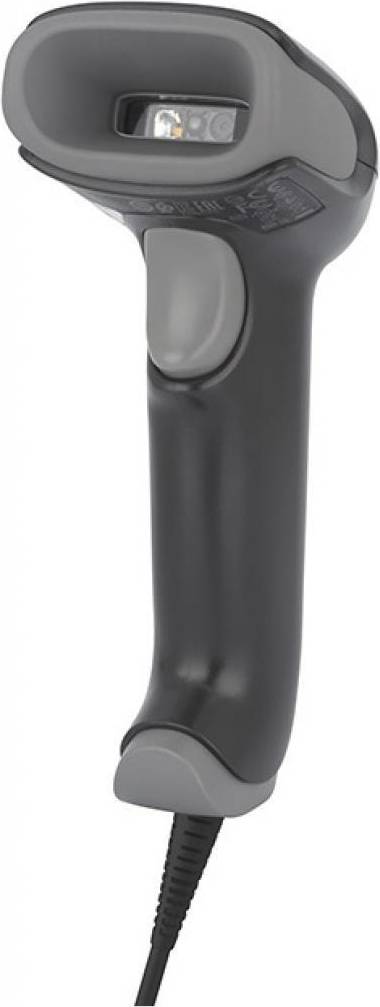










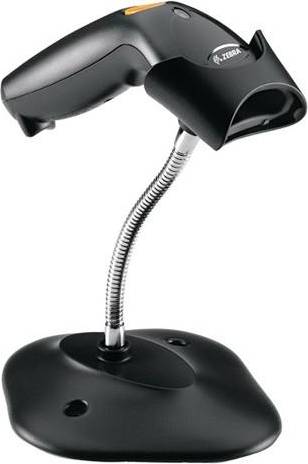


Barcode Scanners: 3 things to consider before buying
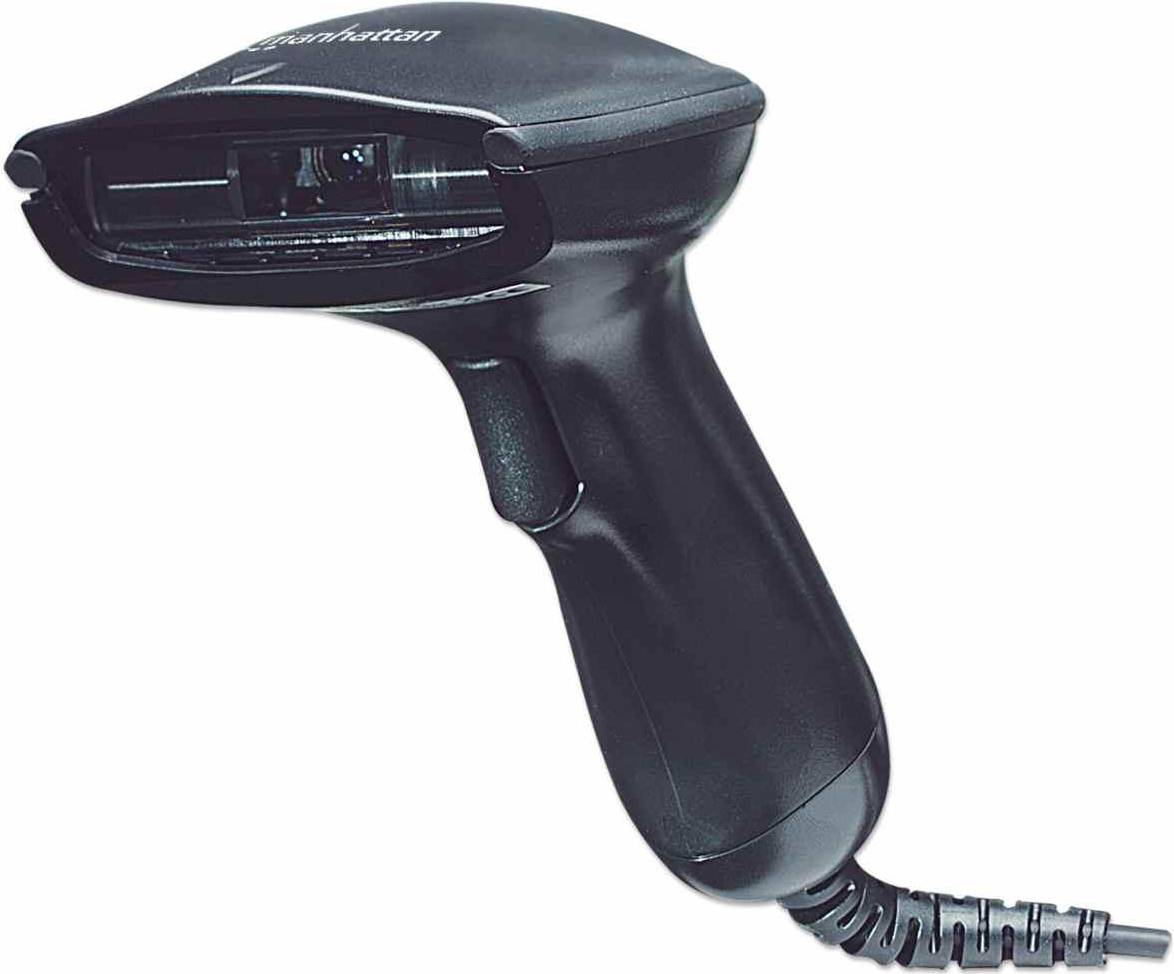
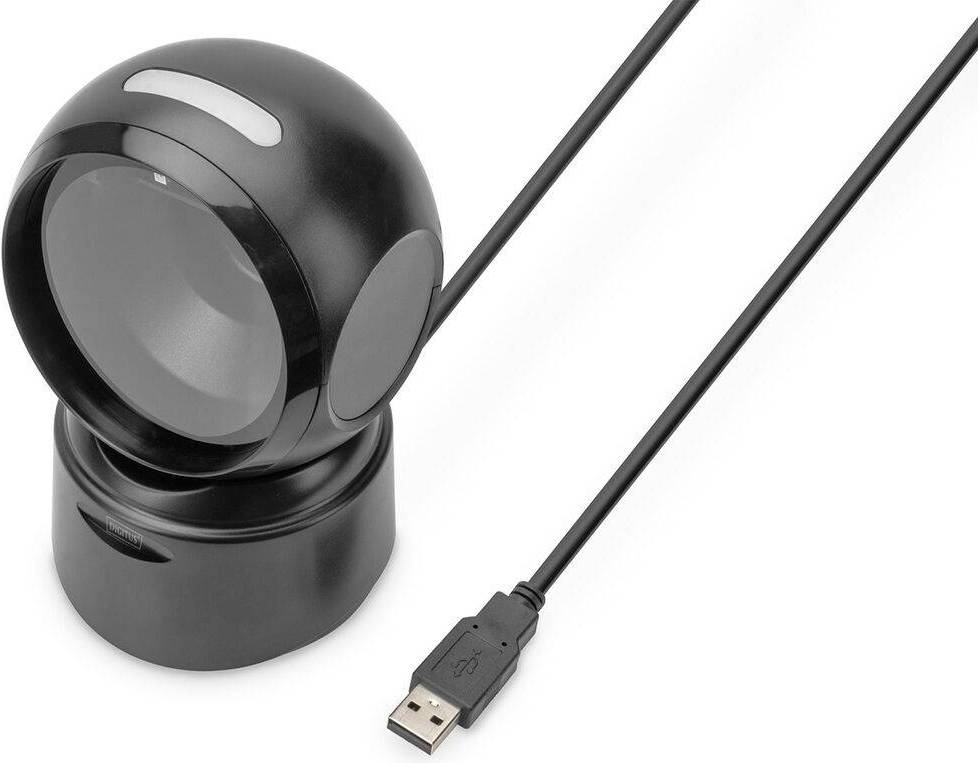
When choosing a barcode scanner, it's crucial to consider the type that best suits your needs. Handheld scanners are popular for their versatility and ease of use, ideal for retail environments. Fixed-mount scanners work well in industrial settings where items pass by on a conveyor belt. If mobility is key, opt for wireless scanners that allow you to scan without being tethered to a computer. Evaluate your specific requirements to determine which type will streamline your operations most effectively.
Before purchasing barcode scanners, ensure they are compatible with your existing systems. Most modern scanners connect via USB or Bluetooth, but it's important to verify if they will integrate seamlessly with your point of sale (POS) system or inventory management software. Some scanners may require additional drivers or software updates. Always check the manufacturer's specifications and consult with your IT team if necessary to avoid any compatibility issues.
The performance and features of barcode scanners can greatly impact efficiency. Look for scanners with fast scanning speeds and the ability to read various barcode types, including 1D and 2D codes like QR codes. Consider additional features such as durability, especially if used in rough environments, and ergonomic design for comfortable long-term use. Some models also offer advanced capabilities like image capture and data storage, which can be beneficial depending on your operational needs.
FAQ
Barcode scanners are devices used to read and decode barcodes. They help in tracking inventory, managing sales, and speeding up the checkout process. When choosing a barcode scanner, consider factors such as connectivity options (wired or wireless), compatibility with your systems, and the type of barcodes you need to scan.
Barcode scanners use a light source to capture and decode the information contained in barcodes. They convert the barcode's data into a readable format for computers. Consider whether you need a laser or an image-based scanner based on your environment and the types of barcodes you encounter.
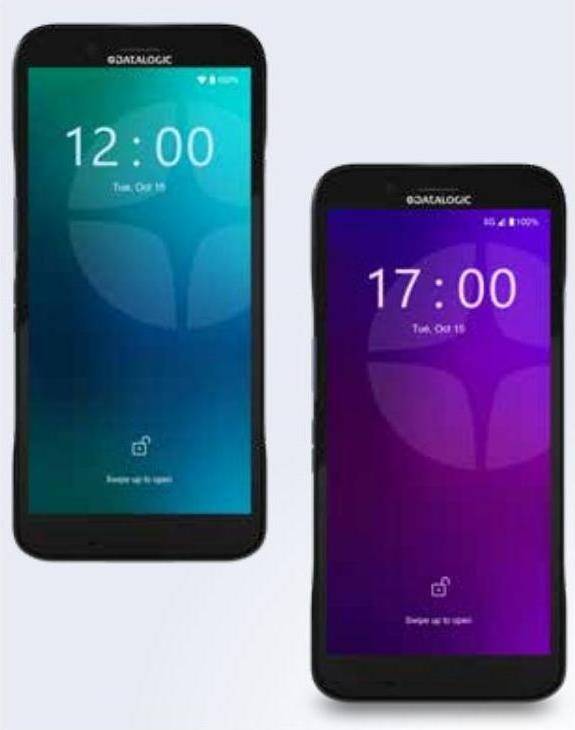
Barcode scanners are available in several types: handheld, fixed-mount, and mobile. Handheld scanners offer flexibility, while fixed-mount ones provide continuous scanning at a point of sale. Mobile scanners combine scanning with computing capabilities, ideal for inventory management tasks.
Barcode scanners should be chosen based on your specific needs. Consider factors like scanning distance, durability, connectivity options, and compatibility with existing systems. Also, think about whether you need to scan 1D or 2D barcodes to ensure the scanner meets your requirements.
Barcode scanners that are wireless offer greater mobility and flexibility compared to wired ones. They are ideal for large warehouses or retail spaces where movement is necessary. However, if you're operating in a fixed location with limited space, a wired scanner might be more cost-effective and reliable.
Borrowing more than you can afford or paying late may negatively impact your financial status and ability to obtain credit. Credit subject to status. Ts&Cs and late fees apply.
Advertisement
Popular searches in Barcode Scanners
- Price scanner uk
- Barcode
- Honeywell scanner
- Zebra Barcode Scanners
- Bluetooth Barcode Scanners
- Yellow Barcode Scanners
- White Barcode Scanners
- Red Barcode Scanners
- Blue Barcode Scanners
- Green Barcode Scanners
- Grey Barcode Scanners
- Silver Barcode Scanners
- Multicoloured Barcode Scanners
- Wi-Fi Barcode Scanners
- IP42 Barcode Scanners
- IP52 Barcode Scanners
- IP54 Barcode Scanners
- IP65 Barcode Scanners
- IP67 Barcode Scanners
- IP40 Barcode Scanners
- Honeywell Barcode Scanners
- Highest rated Barcode Scanners
- Barcode Scanners
- Cheap Barcode Scanners
- Barcode Scanners on sale
Borrowing more than you can afford or paying late may negatively impact your financial status and ability to obtain credit. Credit subject to status. Ts&Cs and late fees apply.