
Blenders
Blowtorches
Breadmakers
Coffee Grinders
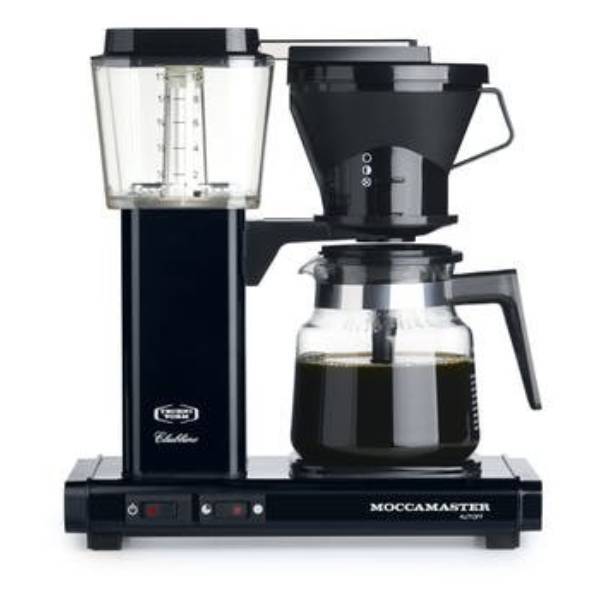
Coffee Makers
Deep fryers & Airfryers
Food Cookers
Food Dehydrators
Food Mixers & Food Processors
Hand Blenders
Hand Mixers
Ice Cream Makers
Ice Makers
Juicers
Kettles
Kitchen Scales
Meat Slicers
Mincers
Mini Choppers & Spiralisers
Other Kitchen Appliances
Pasta Makers
Popcorn Makers
Sandwich Toasters
Soft Drink Makers
Toasters
Vacuum Sealers
Waffle Makers






Insulation: 3 things to consider before buying
When selecting insulation, R-value is a crucial factor. It measures how well insulation resists heat flow, so the higher the R-value, the better it insulates. Consider your climate and where you'll install the insulation. For example, lofts in colder regions may require insulation with a higher R-value compared to walls in milder climates. We recommend checking local building codes or consulting a professional to determine the appropriate R-value for your project.
Insulation comes in various materials, including fibreglass, foam board, and cellulose. Each has its pros and cons. Fibreglass is popular due to its affordability and ease of installation but can irritate skin and lungs if not handled properly. Foam board provides excellent thermal resistance but may be more expensive. Cellulose, made from recycled paper, is eco-friendly and offers good soundproofing but may settle over time. Consider factors like budget, environmental impact, and specific needs when choosing the material.
Moisture can significantly affect insulation's performance and longevity. When buying insulation for areas prone to dampness or humidity, such as basements or bathrooms, look for products specifically designed to resist moisture. Closed-cell spray foam is an excellent option as it acts as a moisture barrier while providing high thermal resistance. Alternatively, ensure proper ventilation and vapour barriers are in place to protect other types of insulation from moisture damage.
FAQ
Insulation is a material used to reduce heat loss or gain. It helps maintain a comfortable temperature in your home, improving energy efficiency and reducing utility bills. Choosing the right insulation depends on factors like climate, budget, and the area of application.
Insulation materials are selected based on thermal resistance, moisture resistance, and fire safety. Consider the R-value, which measures thermal resistance. Higher R-values offer better insulation. Also, assess the material's compatibility with your building structure and environmental impact.
Insulation types include fiberglass, foam board, and cellulose. Fiberglass is cost-effective and easy to install. Foam board provides excellent thermal resistance for walls and roofs. Cellulose, made from recycled paper, offers an eco-friendly option but may require professional installation.
Loft insulation is crucial for preventing heat loss through the roof. It can significantly reduce heating costs by keeping warm air inside during winter and cool air in summer. Proper loft insulation also enhances overall home comfort and reduces environmental impact.
Wall insulation thickness varies depending on the material and climate zone. In general, aim for at least 270mm for lofts in cold climates and 100mm for cavity walls. Always check local building regulations to ensure compliance with minimum requirements.
Borrowing more than you can afford or paying late may negatively impact your financial status and ability to obtain credit. Credit subject to status. Ts&Cs and late fees apply.
Advertisement
Popular searches in Insulation
- Knauf loft
- Rockwool 100mm insulation
- Superfoil
- Silver foil insulation
- Loft roof insulation
- Loft insulation roll
- Rockwool sound insulation
- Self adhesive draught excluder
- Rockwool Insulation
- Insulation Board For Groundwork
- Glass Wool Insulation
- Rockwool Stone Wool Insulation
- Stone Wool Insulation
- Knauf Insulation
- Walls Glass Wool Insulation
- Ceiling Insulation
- Insulation Board For Groundwork on sale
- Insulation Board for Drainage
- Recticel Insulation
- Xtratherm Insulation
- Cheap Stone Wool Insulation
- Cheap Insulation Board For Groundwork
Borrowing more than you can afford or paying late may negatively impact your financial status and ability to obtain credit. Credit subject to status. Ts&Cs and late fees apply.