Blenders
Blowtorches
Breadmakers
Coffee Grinders
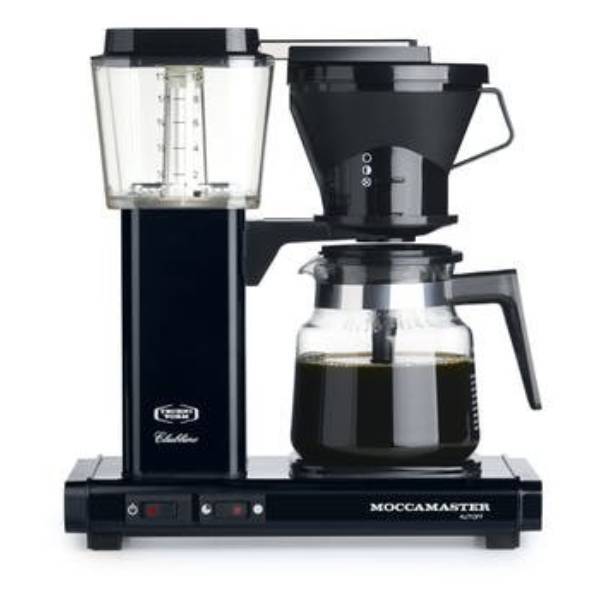
Coffee Makers
Deep fryers & Airfryers
Food Cookers
Food Dehydrators
Food Mixers & Food Processors
Hand Blenders
Hand Mixers
Ice Cream Makers
Ice Makers
Juicers
Kettles
Kitchen Scales
Meat Slicers
Mincers
Mini Choppers & Spiralisers
Other Kitchen Appliances
Pasta Makers
Popcorn Makers
Sandwich Toasters
Soft Drink Makers
Toasters
Vacuum Sealers
Waffle Makers



200+ products


Timber: 3 things to consider before buying
When purchasing timber, it's crucial to choose the right type for your project. Hardwood and softwood are the two primary categories. Hardwood, such as oak or mahogany, is durable and ideal for furniture or flooring. Softwood, like pine or cedar, is lighter and often used for structural purposes. Think about your project's needs: do you require strength, aesthetic appeal, or cost-effectiveness? By understanding these differences, you can make an informed decision that suits your requirements.
Timber quality can significantly affect the outcome of your project. Look for any visible defects such as knots, splits, or warping that might compromise its integrity. Timber is graded based on its appearance and structural properties; higher grades usually indicate fewer imperfections and better performance. For structural projects, opt for a higher grade to ensure safety and longevity. For aesthetic projects, consider the grain pattern and color to match your design vision.
Accurate measurements are vital when buying timber to avoid wastage and additional costs. Measure your space carefully before heading to purchase timber. Remember that timber is often sold in standard lengths, so plan how you'll cut it to minimize waste. Consider buying slightly more than needed to account for mistakes or adjustments during installation. By planning ahead and measuring accurately, you can save both time and money while ensuring your project goes smoothly.
FAQ
Timber is a versatile building material used in construction, furniture, and flooring. It provides structural support and aesthetic appeal. When choosing timber, consider the type of project, required strength, and desired appearance. Hardwoods like oak are ideal for durability, while softwoods like pine are cost-effective for general use.
Timber is selected based on its intended use, durability, and appearance. Consider whether you need hardwood or softwood. Hardwoods offer strength and longevity; softwoods are lighter and easier to work with. Ensure the timber meets your project's specifications for moisture content and treatment.
Timber is classified into hardwoods and softwoods. Hardwoods like oak and mahogany are dense and durable. Softwoods such as pine and cedar are lighter and more flexible. Each type has unique properties suited to specific applications in construction or interior design.
Timber is often treated to enhance its resistance to decay, insects, and weathering. Treated timber lasts longer in outdoor or damp environments. When buying timber for external projects, ensure it has been pressure-treated or chemically treated for longevity.
Timber is maintained by regular cleaning, sealing, and inspecting for damage. Use appropriate wood cleaners and finishes to protect the surface from moisture and UV rays. Regular maintenance extends the life of your timber products, keeping them looking their best over time.
Timber is available in various standard sizes, typically measured in millimetres or inches. Common dimensions include 2x4″ for framing or 1x6″ for decking. Always check the specific size requirements for your project before purchasing to ensure a proper fit without unnecessary waste.
Borrowing more than you can afford or paying late may negatively impact your financial status and ability to obtain credit. Credit subject to status. Ts&Cs and late fees apply.
Advertisement
Popular searches in Timber
- Composite decking boards
- 3x2 treated timber
- Timber sleeper
- Decking kit
- Decking Timber
- Decking Timber
- Decking Joists
- Decking Timber on sale
- Decking Joists on sale
- Wickes Timber
- Natural Timber
- Composite Timber
- Smooth Timber
- Green Timber
- Wood Decking Timber
- Forest Garden Decking Timber
- MonsterShop Timber
- Brown Timber
- Pressure Treatment Timber
- Pine Decking Timber
- Composite Decking Timber
- 25.0 mm Timber
- Black Decking Timber
- Pine Timber
- Pine Decking Joists
- Spruce Timber
- Spruce Decking Timber
- VidaXL Timber
- Forest Garden Timber
- Cheap Decking Joists
Borrowing more than you can afford or paying late may negatively impact your financial status and ability to obtain credit. Credit subject to status. Ts&Cs and late fees apply.