Blenders
Blowtorches
Breadmakers
Coffee Grinders
Coffee Makers
Deep fryers & Airfryers
Food Cookers
Food Dehydrators
Food Mixers & Food Processors
Hand Blenders
Hand Mixers
Ice Cream Makers
Ice Makers
Juicers
Kettles
Kitchen Scales
Meat Slicers
Mincers
Mini Choppers & Spiralisers
Other Kitchen Appliances
Pasta Makers
Popcorn Makers
Sandwich Toasters
Soft Drink Makers
Toasters
Vacuum Sealers
Waffle Makers

Canon Camera Lens Filters
Try flexible payments withLearn how







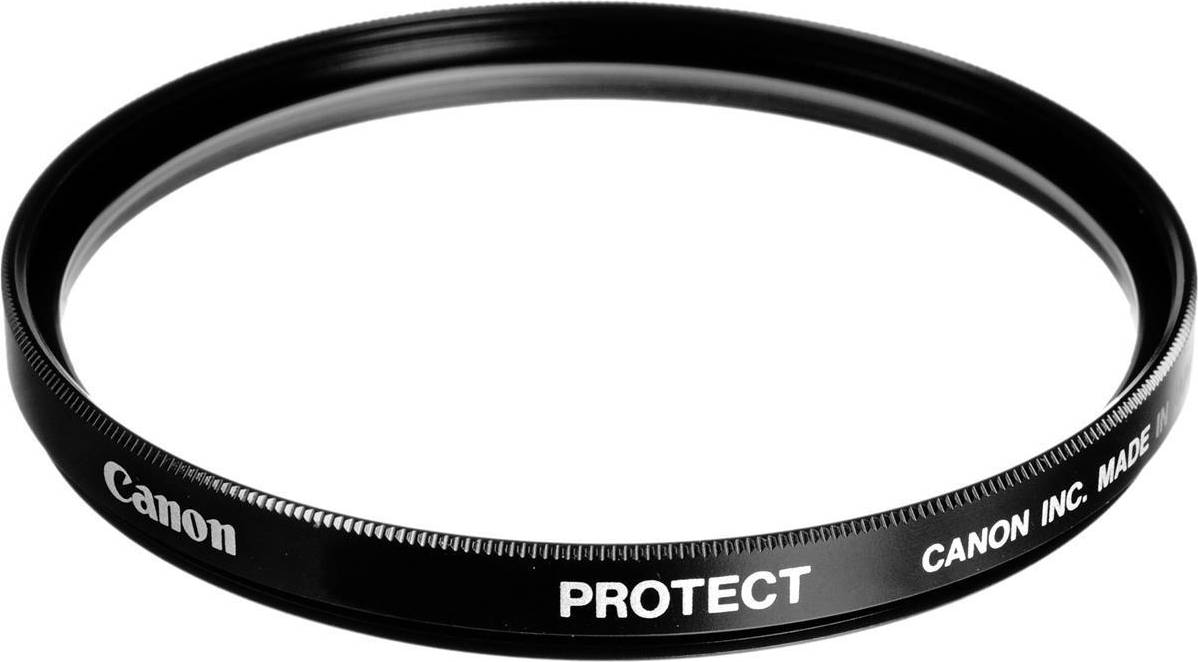


Camera Lens Filters: 3 things to consider before buying
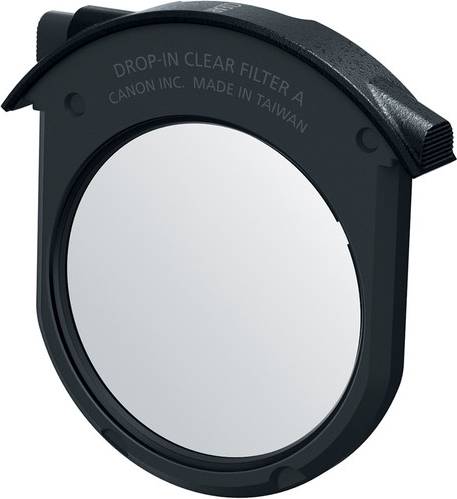
Camera lens filters come in various types, each serving a unique purpose. UV filters protect your lens from dust and scratches while reducing haze. Polarising filters enhance colors and contrast by reducing reflections from non-metallic surfaces like water or glass. Neutral density (ND) filters allow you to use slower shutter speeds in bright conditions without overexposing your photos. Understanding these differences helps you choose the right filter for your photography needs.
Before purchasing a camera lens filter, ensure it matches your lens's diameter. The diameter is usually marked on the lens barrel, often indicated by a 'ø' symbol followed by a number, such as ø58mm. Buying the correct size ensures a proper fit and optimal performance. If you have multiple lenses with different diameters, consider using step-up rings to adapt larger filters to smaller lenses, saving you money and space.
The build quality of camera lens filters affects their durability and performance. Look for filters made from high-quality materials like optical glass, which provide better clarity than plastic alternatives. Additionally, check for multi-coating on the filter surface; this reduces glare and reflections, ensuring clearer images with minimal color distortion. Investing in a well-built filter enhances your photography experience and protects your equipment.
FAQ
Camera lens filters are accessories that attach to the front of a camera lens to modify the light entering the lens. They help enhance image quality, protect the lens, and create various effects. Choosing the right filter depends on your photography needs, such as reducing glare or enhancing colors.
Camera lens filters are used to improve photo quality by altering light before it reaches the sensor. Filters can reduce reflections, increase contrast, and protect lenses from damage. Consider what effect you want: polarizing filters reduce glare, while UV filters offer protection.
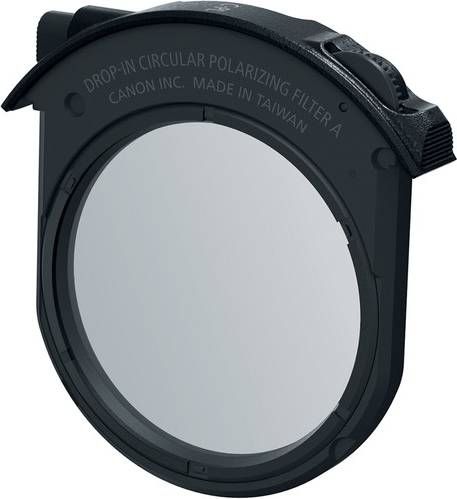
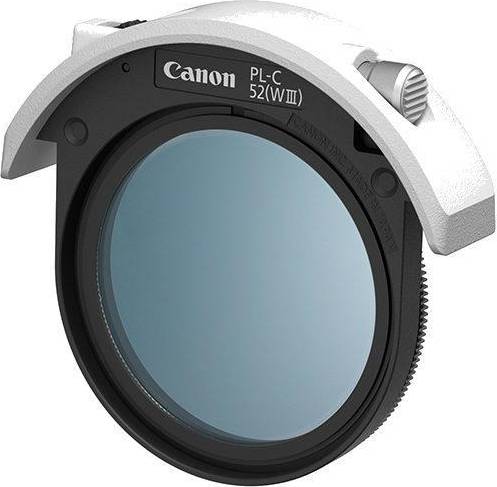
Polarizing filters are used to reduce reflections and glare from non-metallic surfaces like water or glass. They enhance color saturation and contrast by blocking certain light waves. Rotate the filter to adjust its effect; this is useful for landscape photography where reducing haze is important.
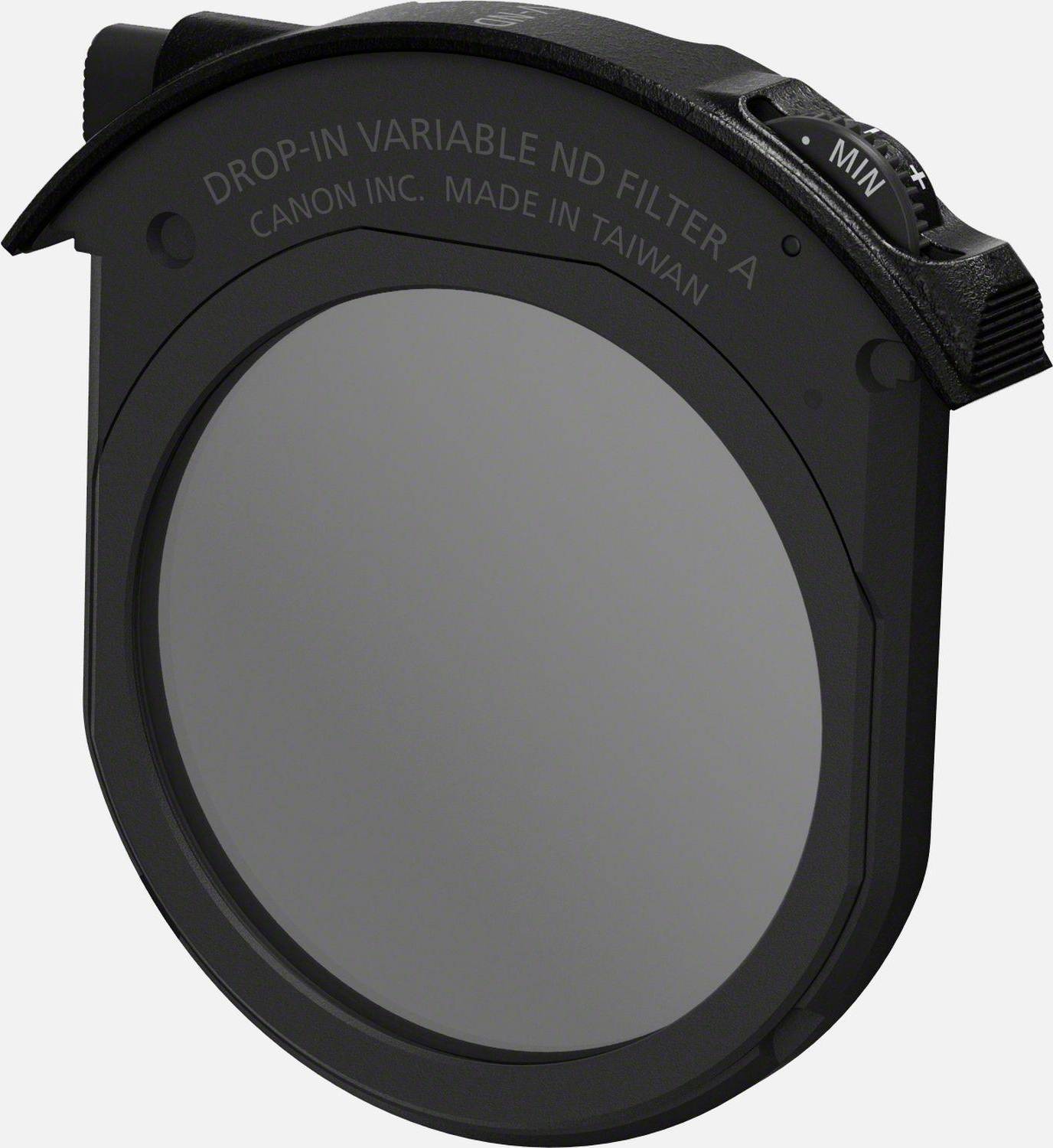
A neutral density (ND) filter is used to reduce the amount of light entering the lens without affecting color balance. This allows for slower shutter speeds or wider apertures in bright conditions. ND filters are ideal for capturing motion blur in waterfalls or achieving shallow depth of field in daylight.
Camera lens filter size is determined by the diameter of your lens, usually marked on the lens barrel in millimeters (e.g., 58mm). Ensure compatibility by checking this measurement before purchasing a filter. Using an incorrect size can lead to vignetting or improper attachment.
Borrowing more than you can afford or paying late may negatively impact your financial status and ability to obtain credit. Credit subject to status. Ts&Cs and late fees apply.
Advertisement
Popular searches in Camera Lens Filters
- Nd100000
- Pl
- Polarisationsfilter
- Filter kit
- Kase 77mm filter
- B w+filter 82mm
- 49mm filter nd
- 55mm uv
- Uv filter 95mm
- Rollei mark
- Pro mist filter
- Pollution filter
- Polarpro quartzline 77mm
- Nisi swift
- Nisi m75
- Hoya 77 uv
- Dji mini 3 pro nd filters set
- 72mm protect
- 67mm variable nd filter
- 46mm filter
- Lens Filters
- Gobe Lens Filters
- Filter Accessories
- Tiffen Camera Lens Filters
- 105mm Camera Lens Filters
- Lens Filters
- Hoya Camera Lens Filters
- Freewell Camera Lens Filters
- Cokin X-Pro (130mm) Lens Filters
- Camera Lens Filters on sale
- LEE 100 Filter Accessories
- 49mm Filter Accessories
- K&F Concept Lens Filters
- 4x5.65” Lens Filters
- 37mm Camera Lens Filters
- 60mm Lens Filters
- Circular Lens Filters
- Orange Camera Lens Filters
- 46mm Lens Filters
- 72mm Camera Lens Filters
Borrowing more than you can afford or paying late may negatively impact your financial status and ability to obtain credit. Credit subject to status. Ts&Cs and late fees apply.