
- Blenders
- Blowtorches
- Breadmakers
- Coffee Grinders
- Coffee Makers
- Deep fryers & Airfryers
- Food Cookers
- Food Dehydrators
- Food Mixers & Food Processors
- Hand Blenders
- Hand Mixers
- Ice Cream Makers
- Ice Makers
- Juicers
- Kettles
- Kitchen Scales
- Meat Slicers
- Mincers
- Mini Choppers & Spiralisers
- Other Kitchen Appliances
- Pasta Makers
- Popcorn Makers
- Sandwich Toasters
- Soft Drink Makers
- Toasters
- Vacuum Sealers
- Waffle Makers




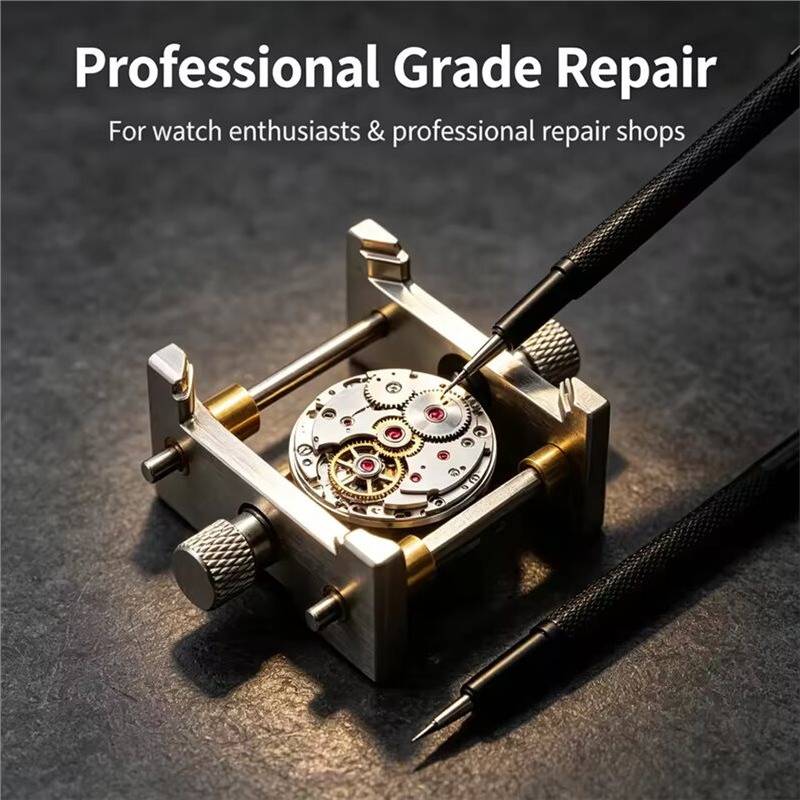


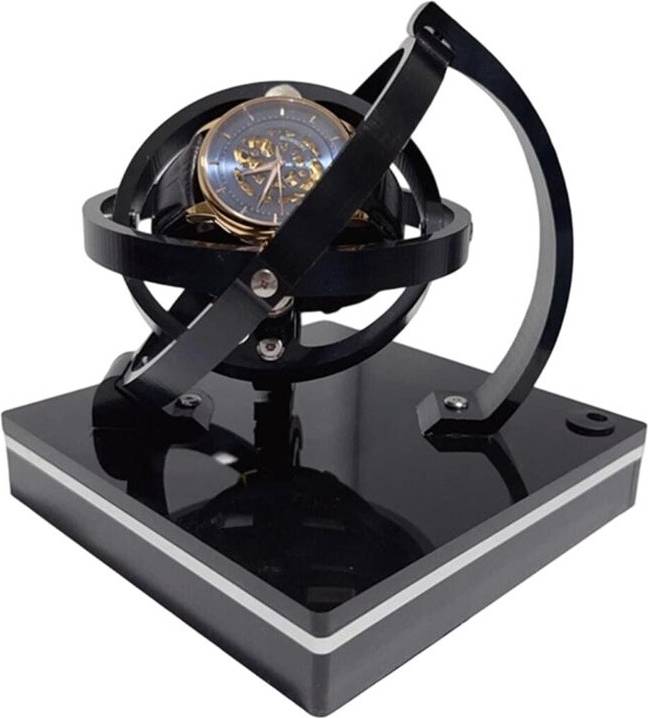
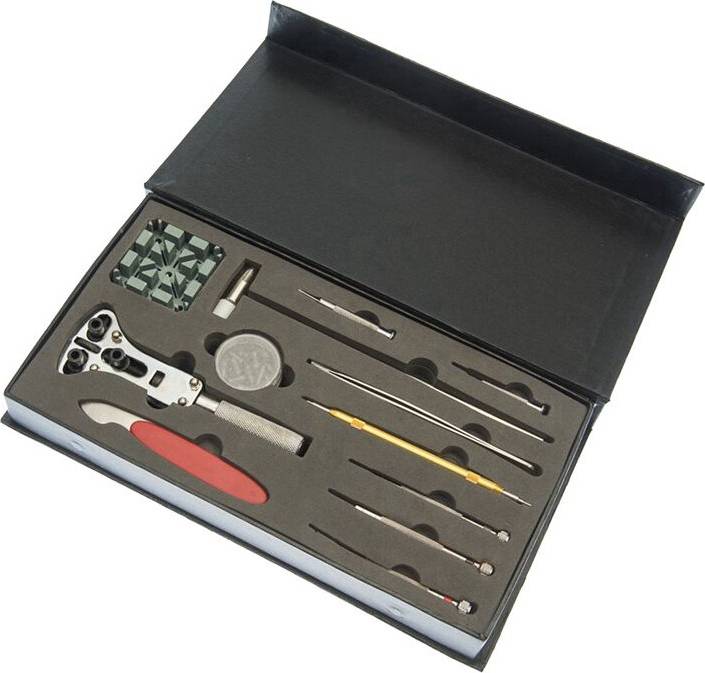

Watches: 3 things to consider before buying
When buying a watch, it's crucial to think about how you plan to use it. Are you looking for a classic timepiece for formal occasions, a sporty watch for outdoor activities, or a smartwatch with tech features? Identifying your primary need helps narrow down your options and ensures the watch fits your lifestyle. For instance, if you're into diving, you'll want a water-resistant model with depth tracking capabilities. On the other hand, if you're seeking elegance, a sleek design with a leather strap might be more suitable.
The movement of a watch is its heartbeat, and understanding the different types can aid in making an informed choice. There are three main types: quartz, mechanical, and automatic. Quartz watches are powered by batteries and known for their accuracy and low maintenance. Mechanical watches are powered by winding the mainspring and are appreciated for their craftsmanship but require regular winding. Automatic watches self-wind through the motion of your wrist, offering convenience without sacrificing the artistry of mechanical movements. Knowing these differences can help you decide which suits your preferences best.
The materials used in a watch not only affect its appearance but also its durability and comfort. Common materials include stainless steel, titanium, ceramic, and leather. Stainless steel is durable and versatile, while titanium offers strength without added weight, making it ideal for those who prefer lighter accessories. Ceramic is scratch-resistant and hypoallergenic but can be more fragile. Leather straps provide classic appeal but may require more care to maintain their condition over time. Consider your daily activities and personal style when choosing the material that will best complement your needs.
Borrowing more than you can afford or paying late may negatively impact your financial status and ability to obtain credit. Credit subject to status. Ts&Cs and late fees apply.
Advertisement
Popular searches in Watches
- Seiko 5 gmt
- Seiko alpinist
- Skyhawk citizen
- Casio g shock
- G shock mudmaster
- Tissot prx
- Armani watch womens
- Tag heuer formula 1
- Citizen eco drive promaster
- Seiko 5 sports automatic
- Skeleton watches for men
- Casio solar watch
- Casio g shock gold
- Citizen eco drive titanium
- Citizen eco drive chronograph
- Tag heuer formula 1 chronograph men's watch
- Casio watch for men
- Tsuyosa
- Watch red arrows
- Women watches
- Wrist Watches
- HUGO BOSS Watches
- Lacoste Watches
- Seiko Watches
- Tag Heuer Watches
- Vivienne Westwood Watches
- Tissot Watches
- Rado Watches
- Seiko Watches on sale
- Sekonda Watches
- Tommy Hilfiger Watches
- DKNY Watches
- Citizen Wrist Watches
- Swatch Watches
- Gucci Watches
- Lorus Watches
- Rotary Watches
- Bulova Watches
- Emporio Armani Watches
- Citizen Watches