
Blenders
Blowtorches
Breadmakers
Coffee Grinders
Coffee Makers
Deep fryers & Airfryers
Food Cookers
Food Dehydrators
Food Mixers & Food Processors
Hand Blenders
Hand Mixers
Ice Cream Makers
Ice Makers
Juicers
Kettles
Kitchen Scales
Meat Slicers
Mincers
Mini Choppers & Spiralisers
Other Kitchen Appliances
Pasta Makers
Popcorn Makers
Sandwich Toasters
Soft Drink Makers
Toasters
Vacuum Sealers
Waffle Makers






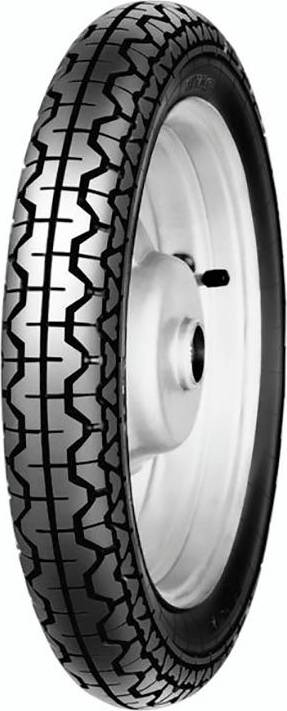


Tyres: 3 things to consider before buying
Before purchasing tyres, it's crucial to understand the specific size and specifications required for your vehicle. You can find this information in your vehicle’s manual or on the sidewall of your current tyres. Look for a sequence of numbers and letters, such as 205/55 R16, which indicates the tyre width, aspect ratio, and diameter in ″. Ensuring you select the correct size helps maintain optimal performance and safety.
Your driving conditions greatly influence the type of tyres you need. If you live in an area with distinct seasons, consider investing in season-specific tyres such as winter tyres for icy roads or summer tyres for dry conditions. All-season tyres offer a compromise if you experience mild weather changes, providing reasonable performance throughout the year without needing to switch between sets.
When comparing tyres, pay attention to their performance ratings, which include factors like wet grip, fuel efficiency, and noise level. These ratings help you understand how well a tyre performs under various conditions. For example, a tyre with a high wet grip rating offers better traction on rainy days, enhancing safety. Prioritise what matters most to you based on your driving habits and environment.
FAQ
Tyres are available in a few different types, including summer, winter, all-season, and performance. Each type is designed for specific weather conditions and driving styles. Summer tyres offer excellent grip in warm weather, while winter tyres provide traction on snow and ice. All-season tyres balance performance across different conditions, making them versatile for year-round use. Performance tyres enhance handling and speed for sporty driving.
Tyres are sized based on width, aspect ratio, and diameter. You can find this information on the tyre's sidewall or in your vehicle's manual. Consider your driving habits and local climate when selecting a size. A correct fit ensures safety and optimal performance.
Tyres are either tubeless or tube-type. Tubeless tyres have an airtight seal with the rim, reducing puncture risks and improving fuel efficiency. Tube-type tyres contain an inner tube that holds air but may be more prone to flats. Tubeless options are generally more convenient and modern.
Tyres should be replaced every 6 years or when tread depth falls below 1.6mm. Regular checks for wear and damage help ensure safety. Monitor your tyre's condition frequently to maintain performance and prevent accidents.
Tyre lifespan depends on usage, maintenance, road conditions, and driving habits. Proper inflation, regular rotation, and alignment extend life. Avoid harsh braking or acceleration to reduce wear. Check pressure monthly to maintain longevity.
Borrowing more than you can afford or paying late may negatively impact your financial status and ability to obtain credit. Credit subject to status. Ts&Cs and late fees apply.
Advertisement
Popular searches in Tyres
- 215 70 r15
- Car tyres 205 55 r16 91v
- Bf goodrich all terrain ko2
- Tyres 225 45 r19
- Michelin primacy 4
- Tyre 225 45 r17
- Uniroyal rainsport 5
- Tyres 225 50 r17
- 195 55r16
- 225 45 r18 tyres
- 195 55 r16 tyres
- 185 r14c
- Tyres 205 55 r16
- Pirelli cinturato all season sf3
- 245 45 r18 all season tyres
- 275 40 r22
- 225 55 r18
- 215 55 r18
- Goodyear vector 4seasons gen 3
- 235 60 r18 tyres
- Car Tyres
- Tyres on sale
- Car Tyres on sale
- Motorcycle Tyres
- Michelin Tyres
- 67 dB Tyres
- Michelin All Season Tyres
- Continental Car Tyres
- Michelin Car Tyres
- 18 - 225 - 40 % Car Tyres
- Michelin All Season Tyres Car Tyres
- Falken Tyres
- All Season Tyres
- 18 Car Tyres on sale
- Kumho Tyres
- Hankook Tyres
- Nexen Tyres
- Pirelli Tyres
- Bridgestone Car Tyres
- Yokohama Tyres
Borrowing more than you can afford or paying late may negatively impact your financial status and ability to obtain credit. Credit subject to status. Ts&Cs and late fees apply.