
Blenders
Blowtorches
Breadmakers
Coffee Grinders
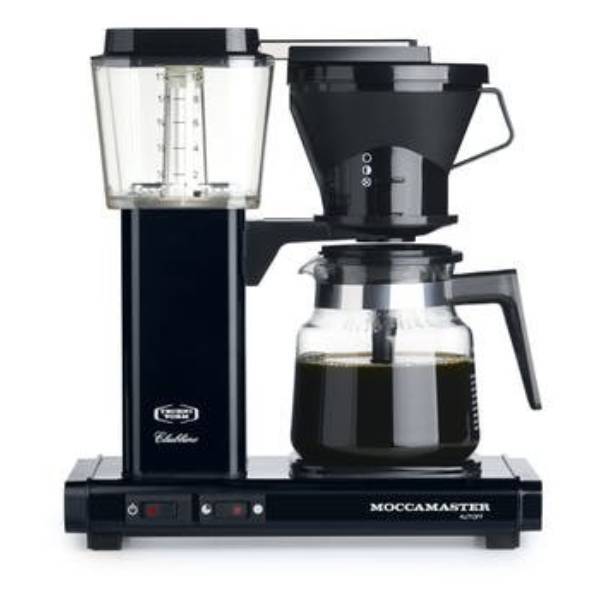
Coffee Makers
Deep fryers & Airfryers
Food Cookers
Food Dehydrators
Food Mixers & Food Processors
Hand Blenders
Hand Mixers
Ice Cream Makers
Ice Makers
Juicers
Kettles
Kitchen Scales
Meat Slicers
Mincers
Mini Choppers & Spiralisers
Other Kitchen Appliances
Pasta Makers
Popcorn Makers
Sandwich Toasters
Soft Drink Makers
Toasters
Vacuum Sealers
Waffle Makers





32 products




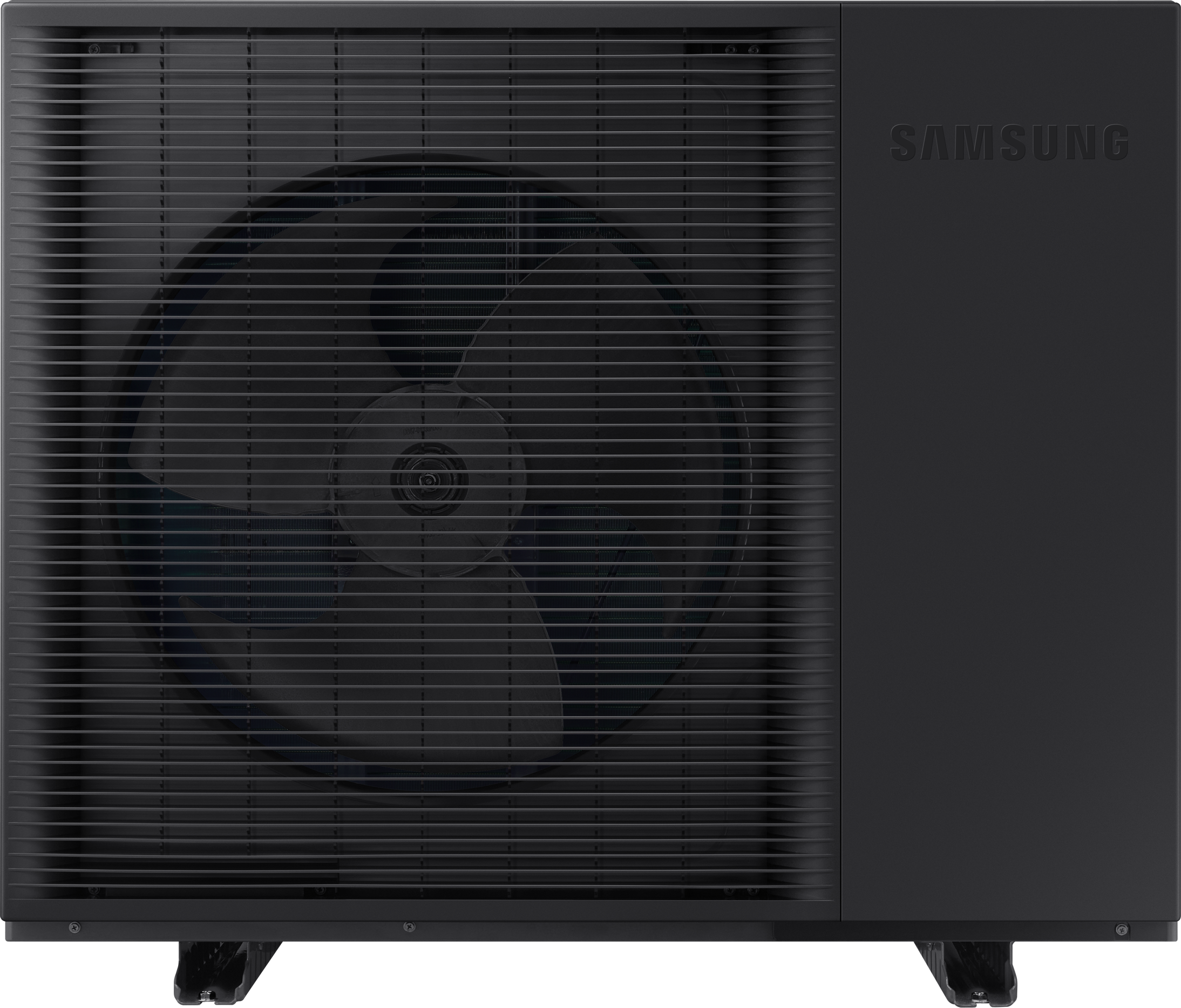




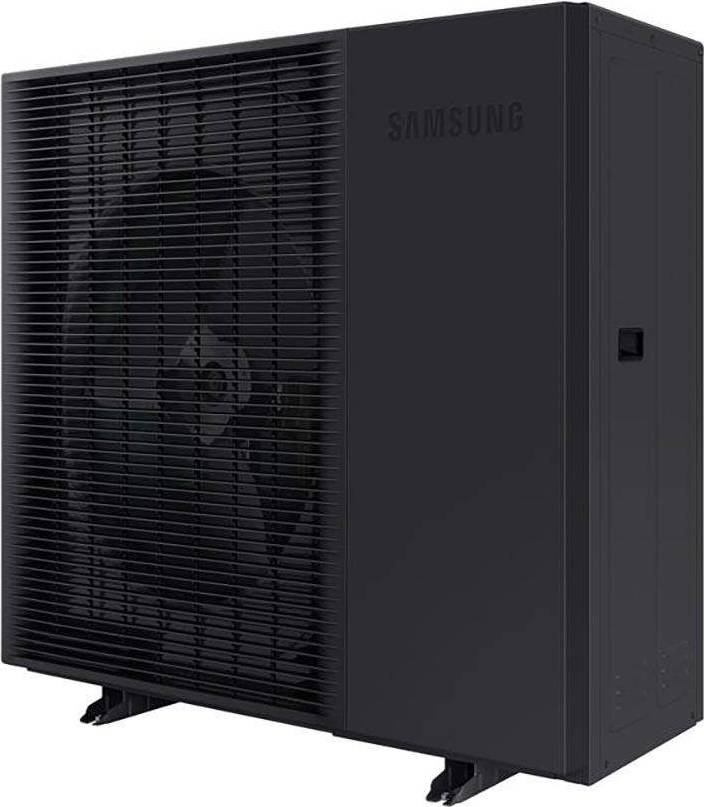

Heating Pumps: 3 things to consider before buying
Choosing the correct size of a heating pump is crucial for efficiency and comfort. A heating pump that's too small won't adequately heat your space, while one that's too large can lead to wasted energy and higher bills. Measure your space and consider factors like insulation, window size, and climate. For instance, a well-insulated home in a mild climate might require a smaller heating pump compared to a larger or poorly insulated home in a colder area. Consulting with a professional can help you make the right decision.
Energy efficiency is key when selecting heating pumps, as it impacts both your energy bills and environmental footprint. Look for models with high Seasonal Coefficient of Performance (SCOP) ratings, which indicate better efficiency during different seasons. Opt for models with an A+++ rating to ensure you're getting the most efficient option available. While these models might have a higher upfront cost, they often result in significant savings over time.
Before purchasing heating pumps, it's essential to ensure compatibility with your existing systems. If you have underfloor heating or radiators, some pumps work better than others. Consult the specifications of each model to determine if they are suitable for integration with your current setup. Additionally, check if any additional components or adjustments are needed for seamless operation. Proper compatibility ensures optimal performance and avoids unnecessary installation costs.
FAQ
Heating pumps are devices that transfer heat from one place to another, typically used to warm homes. They work by extracting heat from the air, ground, or water and moving it indoors. Key features include energy efficiency and lower carbon emissions compared to traditional heating systems.
Choosing the right heating pump depends on your home's size, insulation, and climate. Consider factors like energy efficiency ratings, noise levels, and installation costs. Consult a professional to assess your specific needs and ensure compatibility with your existing system.
Heating pumps are highly energy efficient as they use electricity to move heat rather than generate it. This can result in significant savings on energy bills. Look for models with high Seasonal Coefficient of Performance (SCOP) ratings for optimal efficiency.
Heating pumps are effective in cold climates with models designed specifically for low temperatures. These pumps extract heat even when outdoor temperatures are low. Consider air-source or ground-source pumps that operate efficiently in colder conditions.
Heating pumps require regular maintenance to ensure optimal performance. This includes checking filters, cleaning coils, and inspecting ducts annually. Professional servicing is recommended to keep the system running efficiently and extend its lifespan.
Borrowing more than you can afford or paying late may negatively impact your financial status and ability to obtain credit. Credit subject to status. Ts&Cs and late fees apply.
Advertisement
Popular searches in Heating Pumps
- Samsung outdoor
- Air-water Heating Pump
- Foxair Heating Pumps
- Air Heating Pumps
- Cheap Air Heating Pumps
- Air Heating Pumps
- Cheap Heating Pumps
- Bosch Heating Pumps
- Ground Source Heating Pump
- White Heating Pumps
- White Air Heating Pumps
- Grey Air-water Heating Pump
- Wall Air Heating Pumps
- Floor Air-water Heating Pump
- Wall Heating Pumps
- Heating Pumps
- Air Heating Pumps
- Air-water Heating Pump
- Cheap Air-water Heating Pump
Borrowing more than you can afford or paying late may negatively impact your financial status and ability to obtain credit. Credit subject to status. Ts&Cs and late fees apply.